Menu

Cupping or Buckling Wood Floors in Orlando | Expert Diagnosis and Proper Moisture Correction

We identify the exact moisture source causing your cupping or buckling wood floors, then restore proper humidity levels and repair structural damage using thermal imaging and subfloor drying equipment built for Orlando's climate.

Slider Image 1
Slider Image 2
Slider Image 3
Slider Image 4
Slider Image 5
Slider Image 7
Slider Image 8
Slider Image 9
Slider Image 10
Slider Image 11

Why Orlando Wood Floors Buckle and Cup Without Warning

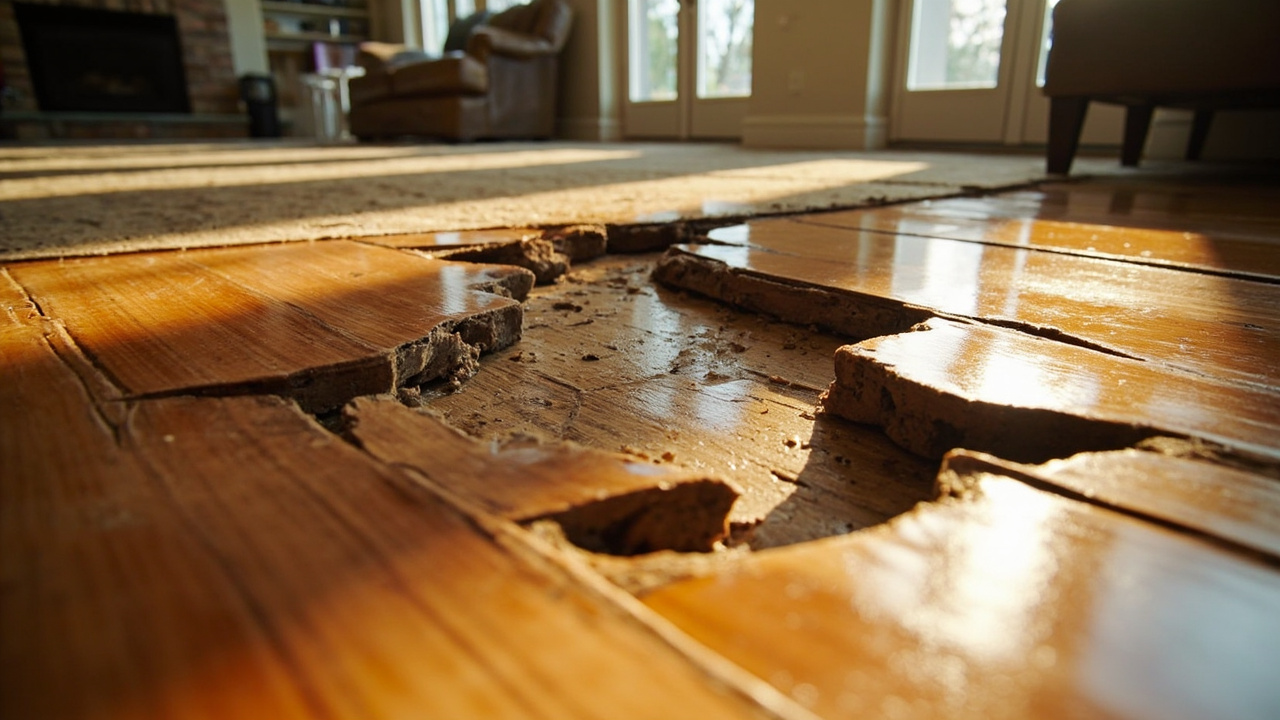
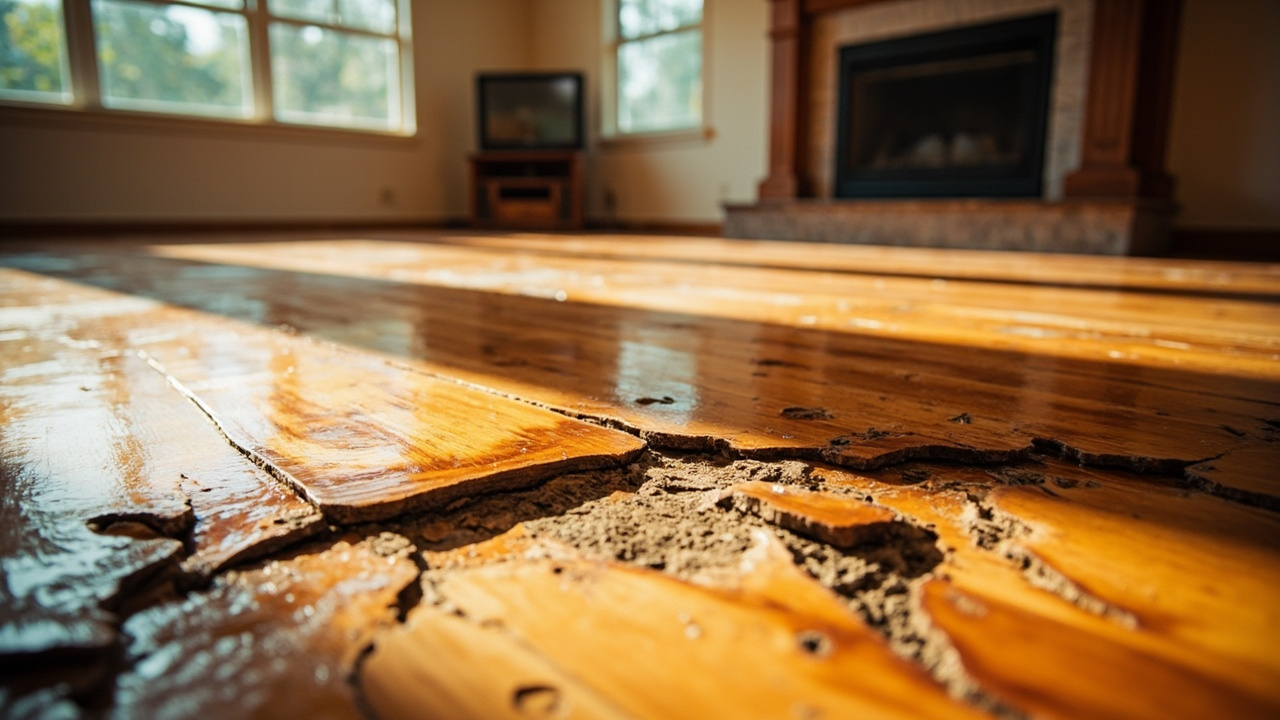
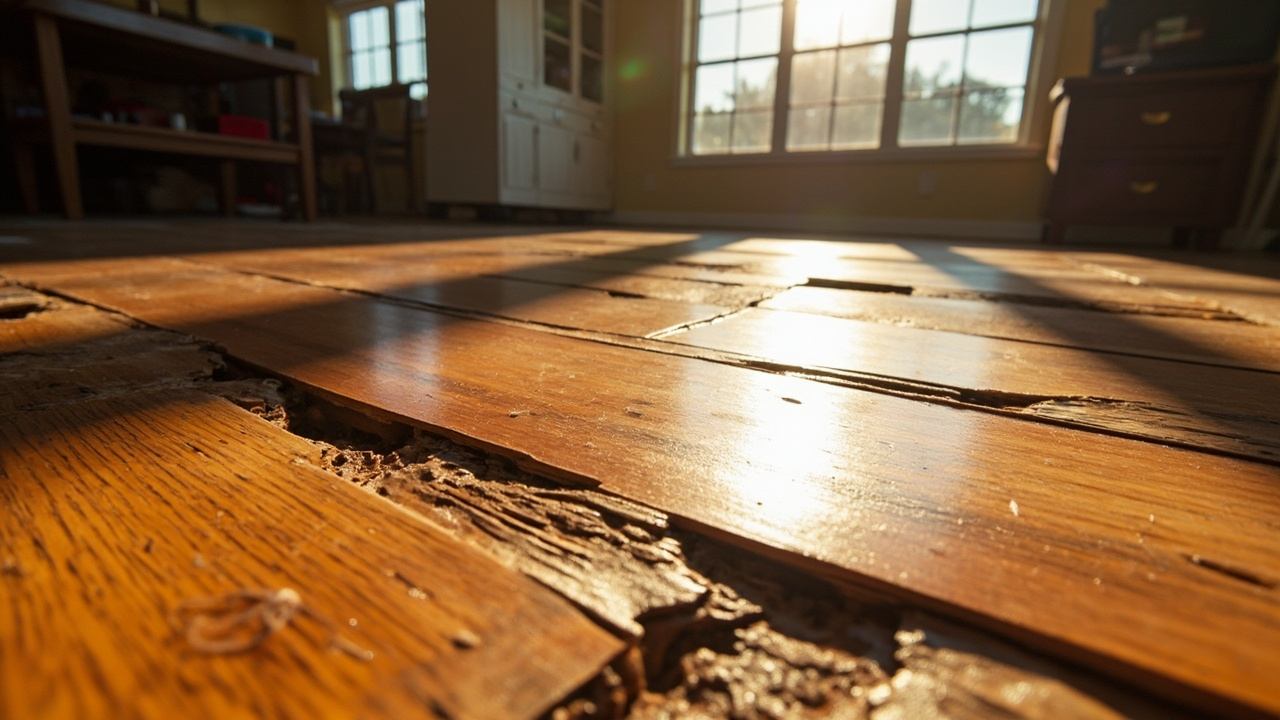
You walk into your dining room and the hardwood planks are raised along the seams. Peaking hardwood joints create ridges you can feel underfoot. Swollen wood planks bow upward in the center or lift at the edges. This is not a cosmetic problem. This is active moisture damage.

Orlando's humid subtropical climate creates ideal conditions for warped hardwood flooring. When relative humidity stays above 60 percent for weeks, unfinished subfloors absorb moisture from below. Add a slow leak from an upstairs bathroom or a failing appliance line, and wood floors respond immediately. The planks expand faster than the space allows.

Cupping occurs when moisture enters from below. The bottom of each plank swells, causing the edges to lift higher than the center. You see raised wood floor edges that create a washboard texture. Buckling is worse. The entire floor lifts away from the subfloor, creating gaps you can slide your hand beneath. This happens when water spreads across a large area fast or when moisture is trapped under vinyl or laminate transitions.

Lifting floorboards near exterior walls often signal foundation moisture or inadequate vapor barriers. In older Orlando homes built before modern moisture mitigation standards, concrete slabs wick groundwater up through porous surfaces. You may not see standing water, but your floors feel it first.

The mistake homeowners make is assuming the floor will settle back down once it dries. It will not. Once wood fibers swell and distort, they stay distorted unless you control the moisture source, dry the subfloor completely, and address the structural damage.

Why Orlando Wood Floors Buckle and Cup Without Warning
How We Reverse Moisture Damage in Wood Flooring

How We Reverse Moisture Damage in Wood Flooring

We do not sand down cupping or hammer down buckled planks. That fixes nothing. We find the moisture source, eliminate it, and restore the subfloor to equilibrium moisture content. Only then can you decide if the flooring is salvageable or needs replacement.

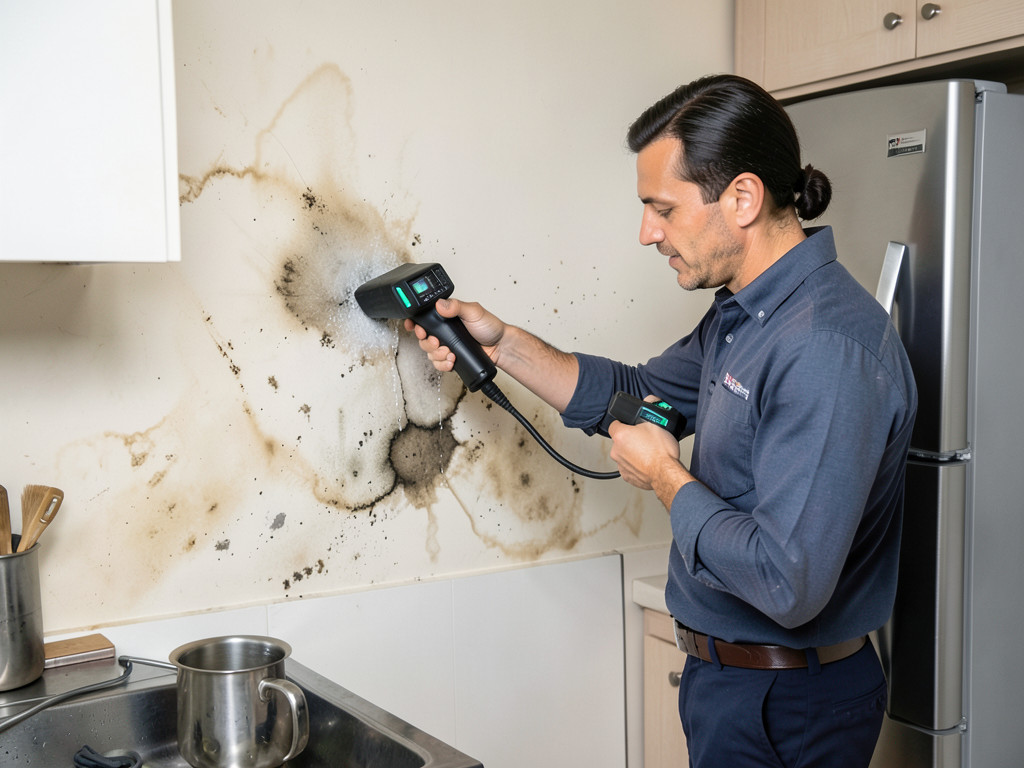
First, we use infrared thermal imaging to map the moisture spread. Swollen wood planks show temperature differentials that reveal hidden water migration. We take moisture readings at multiple depths using pin and pinless meters. This tells us if the problem is surface humidity or subfloor saturation. Most cupping in Orlando starts beneath the floor.

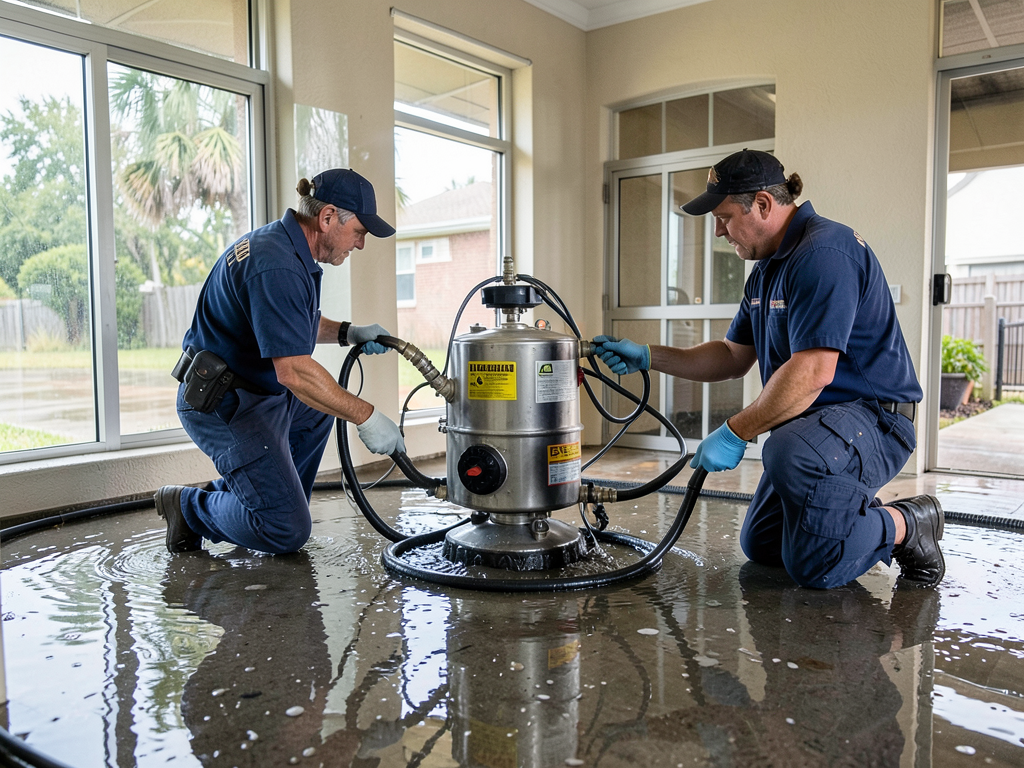
Next, we deploy commercial dehumidifiers and floor drying mats. These systems pull moisture from below the surface, targeting the subfloor where trapped water hides. We do not rely on air movers alone. Moving air across the surface dries the top too fast, which actually worsens cupping by creating uneven moisture content between the top and bottom of each plank.

We monitor daily. Wood floors dry slowly. Forcing the process creates permanent damage. We track moisture levels until readings stabilize below 12 percent, the standard equilibrium for hardwood in conditioned spaces.

If the subfloor is plywood or OSB, we check for delamination and rot. Peaking hardwood joints often signal subfloor failure beneath the finish floor. We document this for insurance claims before any demolition begins.

Once dry, we evaluate the floor. Minor cupping sometimes relaxes after weeks of controlled humidity. Severe buckling requires removal and reinstallation. Reliance Water Damage Restoration Orlando coordinates with flooring contractors when replacement is necessary, but we handle all the water damage restoration and subfloor prep.

What Happens During Wood Floor Moisture Remediation

Cupping or Buckling Wood Floors in Orlando | Expert Diagnosis and Proper Moisture Correction
01

Moisture Source Identification

We locate the water source using thermal imaging, moisture meters, and visual inspection of plumbing, HVAC drain lines, and exterior grading. Warped hardwood flooring is always a symptom, not the problem. We trace the moisture back to the appliance leak, slab seepage, or HVAC condensation failure causing the damage. No drying begins until we stop the water at the source.
02

Controlled Subfloor Drying

We position floor drying mats and low-grain refrigerant dehumidifiers to extract moisture from beneath the wood planks. Air movers are used strategically to avoid over-drying the surface. We monitor subfloor moisture content daily, targeting 10 to 12 percent equilibrium. Lifting floorboards and peaking hardwood joints begin to relax as the moisture gradient equalizes across each plank.
03

Structural Assessment and Repair

After drying, we evaluate whether raised wood floor edges and swollen wood planks will return to acceptable flatness. We check for subfloor rot, fastener failure, and finish floor adhesion loss. If the floor is salvageable, we document full dryness for your insurance claim. If replacement is required, we prepare the subfloor and coordinate the installation. You get a complete solution, not a partial fix.

Why Orlando Homeowners Choose Local Water Damage Experts

Cupping or buckling wood floors in Orlando demand more than a carpet cleaner with a shop vac. You need a team that understands how Florida humidity, concrete slab construction, and older home ventilation systems create moisture problems most northern contractors never encounter.

Reliance Water Damage Restoration Orlando operates here year-round. We know which neighborhoods have high water tables, which builders used substandard vapor barriers in the 1980s, and which HVAC systems dump condensate where they should not. That local knowledge saves you time and money.

We also understand Florida insurance claims. Carriers scrutinize water damage claims closely. They want proof the damage was sudden and accidental, not long-term neglect. We document everything with moisture mapping, thermal images, and daily logs. When you file a claim for warped hardwood flooring, you have the evidence you need.

Most national franchises send techs who rely on checklists. They dry what they see and leave. We dig deeper. Peaking hardwood joints are often the visible part of a subfloor problem that extends under cabinets, behind baseboards, and into adjacent rooms. We trace the full scope before we start equipment, so you are not surprised by hidden damage later.

We also coordinate with your flooring contractor, plumber, or HVAC tech if needed. Water damage restoration is one part of a larger repair process. We make sure the handoff is clean and the next trade has a dry, stable workspace.

You get direct communication with the project lead, not a call center. When you call about lifting floorboards or swollen wood planks, you talk to the person who will be in your home. That accountability matters when the problem is urgent and the stakes are high.

What You Can Expect From Start to Finish

Response Time and Availability

We answer calls seven days a week and dispatch to Orlando-area homes within hours, not days. Cupping or buckling wood floors get worse the longer moisture sits, so speed matters. We bring thermal imaging and moisture meters on the first visit. You get a scope of work and moisture map before we leave. If you have an active leak, we stop it or coordinate with your plumber immediately. Emergency response is not an upcharge. It is part of the service.

Initial Moisture Assessment

The first visit includes thermal imaging of the affected area, moisture readings at multiple points, and a visual inspection of all potential water sources. We check under sinks, behind toilets, around HVAC air handlers, and along exterior walls. We map the moisture spread and identify which rooms are affected, even if the warped hardwood flooring is only visible in one space. You get a written assessment with photos and moisture readings. This becomes your insurance documentation.

The Drying and Restoration Process

Drying takes three to seven days depending on subfloor saturation and wood species. We place equipment, then return daily to check moisture levels and adjust airflow. You can stay in your home during drying. The equipment is loud but manageable. Once dry, we remove gear and inspect the floor. If the cupping or buckling has relaxed, we document completion. If replacement is needed, we provide a referral to a flooring contractor and ensure the subfloor is ready for new installation.

Follow-Up and Prevention Guidance

After restoration, we explain what caused the moisture intrusion and how to prevent recurrence. This may include dehumidifier recommendations, HVAC maintenance tips, or grading corrections around your foundation. We provide a final moisture report for your records and insurance carrier. If you notice new lifting floorboards or raised wood floor edges in the future, we prioritize return visits for existing clients. Prevention is cheaper than restoration, and we want you to avoid this problem again.

Frequently Asked Questions

You Have Questions,
We Have Answers

What is the difference between cupping and buckling floors? +

Cupping occurs when the edges of wood planks rise higher than the center, creating a concave shape. This happens when moisture enters from below the floor. Buckling is more severe. The entire plank lifts away from the subfloor, creating visible peaks or ridges. In Orlando's high humidity climate, cupping often starts from groundwater intrusion or plumbing leaks beneath the slab. Buckling usually signals prolonged water exposure or catastrophic flooding. Both indicate moisture problems, but buckling means structural fasteners have failed. Cupping can sometimes reverse with drying. Buckling requires floor replacement.

Will cupped hardwood floors flatten out? +

Cupped floors may flatten if you address the moisture source quickly. In Orlando, this means fixing the leak, drying the subfloor completely, and stabilizing indoor humidity between 30 and 50 percent. The wood needs several weeks to months to acclimate. If you catch cupping early and dry thoroughly, planks often return to flat. However, severe cupping that sits too long causes permanent fiber distortion. The wood memory stays damaged. Professional moisture mapping and controlled drying prevent permanent warping. Never sand cupped floors immediately. Let them dry first or you will create crowned boards.

What does a buckled hardwood floor look like? +

A buckled hardwood floor shows dramatic peaks where planks lift completely off the subfloor. You will see visible ridges running across the room, sometimes several inches high. The floor feels spongy or unstable underfoot. Gaps appear between boards as they compress together and push upward. In severe cases, entire sections tent upward like a mountain range. Orlando homes often see buckling after hurricane flooding or catastrophic pipe breaks. The wood swells so fast that nails or glue fail. Unlike cupping, which affects individual plank edges, buckling displaces whole boards. This level of damage always requires replacement.

Can cupped wood floors be fixed? +

Yes, cupped wood floors can be fixed if you act fast. First, locate and stop the moisture source. In Orlando, common culprits include slab leaks, AC condensate line failures, or groundwater wicking through concrete. Next, extract standing water and dry the subfloor using commercial dehumidifiers and air movers. Monitor moisture content daily with meters. Once the wood reaches equilibrium moisture content (typically 6 to 9 percent for Central Florida), assess the damage. Minor cupping often flattens naturally. Moderate cupping may need sanding after full acclimation. Severe cupping requires board replacement. Never rush repairs.

Will buckled hardwood floors go back to normal? +

Buckled hardwood floors rarely return to normal. The mechanical force that lifts planks off the subfloor causes permanent damage to fastening systems and wood fibers. In Orlando, buckling typically results from catastrophic water events like washing machine floods or hurricane storm surge. Even if you dry the area completely, the boards remain warped and the subfloor attachment is compromised. You can sometimes salvage surrounding areas, but buckled sections need full replacement. This includes removing damaged planks, drying and treating the subfloor, and installing new wood that matches the existing finish and species. Partial fixes fail quickly.

Can wood floor cupping be reversed? +

Wood floor cupping can be reversed if moisture damage is caught early. The key is eliminating the water source and implementing controlled drying. In Orlando's humid climate, this requires professional-grade dehumidifiers, not box fans. You must reduce indoor humidity to 40 percent or lower while monitoring wood moisture content with pin or pinless meters. Drying takes weeks, not days. If cupping is mild and wood fibers have not compressed permanently, planks will flatten as they release moisture. Once flat and stable for at least two weeks, light sanding can smooth minor irregularities. Severe cupping leaves permanent cell damage that sanding cannot fix.

How much does it cost to repair cupping wood floors? +

Repairing cupping wood floors depends on severity and moisture source. In Orlando, expect diagnostic moisture testing and leak detection to cost 300 to 600 dollars. Professional drying services with commercial equipment run 2 to 5 dollars per square foot. If planks flatten naturally after drying, you avoid replacement costs. Sanding and refinishing averages 3 to 6 dollars per square foot. Severe cupping requiring plank replacement costs 8 to 15 dollars per square foot, including materials and labor. Insurance often covers water damage repairs if you file promptly. Get multiple estimates and verify contractors carry proper licensing for Orlando.

Will a dehumidifier pull water from under the floor? +

A standard residential dehumidifier cannot pull water trapped under flooring. It only removes airborne moisture. In Orlando, water beneath floors usually comes from slab leaks, groundwater intrusion, or floods that saturate the subfloor. You need professional extraction equipment, including injectidry systems that force heated air under the flooring through small access holes. These systems create negative pressure to draw moisture out. Portable dehumidifiers help dry the room air after extraction, preventing secondary damage. For subfloor drying, contact water damage professionals with truck-mounted or industrial dehumidifiers rated for structural drying, not comfort cooling.

What would cause hardwood floors to cup? +

Hardwood floors cup when moisture enters from below, causing the bottom of each plank to expand more than the top. In Orlando, common causes include slab leaks, broken pipes beneath concrete, high groundwater levels during rainy season, and poor vapor barriers under flooring. AC condensate line overflows and appliance leaks also saturate subfloors. Florida's high water table makes homes vulnerable, especially in low-lying neighborhoods. Even minor plumbing leaks can wick moisture through concrete for months before you notice floor damage. Relative humidity above 60 percent accelerates the process. Prevention requires moisture barriers and routine plumbing inspections.

What is a common cause of buckled hardwood floors? +

Buckled hardwood floors are caused by catastrophic water exposure that forces rapid wood expansion. In Orlando, flooding from hurricanes, washing machine supply line failures, water heater ruptures, and toilet overflows create buckling. The wood absorbs water so fast it swells beyond the expansion gaps left during installation. With nowhere to expand horizontally, planks lift vertically off the subfloor. Poor installation without adequate expansion space makes buckling worse. Nail or glue failure occurs when swelling pressure exceeds fastener strength. Orlando's concrete slab foundations trap water beneath flooring longer than wood subfloors, increasing buckling risk during flood events.

Why Orlando's Humidity and Slab Construction Accelerate Wood Floor Damage

Orlando sits in a humid subtropical zone where outdoor relative humidity exceeds 70 percent most of the year. Homes built on concrete slabs, common throughout Central Florida, lack crawlspaces that traditionally ventilate subfloor moisture. When vapor barriers fail or were never installed, groundwater migrates up through porous concrete. Wood flooring installed directly over slab or thin plywood underlayment absorbs this moisture from below. Cupping or buckling wood floors happen faster here than in drier climates because the moisture source is constant, not seasonal.

Reliance Water Damage Restoration Orlando works exclusively in the Central Florida market. We understand local construction methods, common failure points in older neighborhoods like College Park or Baldwin Park, and how newer developments in Lake Nona handle moisture barriers. We also navigate Florida insurance claims daily, so we know what documentation carriers require for warped hardwood flooring damage. Local expertise means faster diagnosis, better drying protocols, and fewer surprises during restoration.
Water Damage Restoration Services in The Orlanado Area

Looking for fast and reliable water damage restoration in your area? Reliance Water Damage Restoration Orlando proudly serves homes and businesses throughout Orlando and surrounding communities. Whether you're dealing with flood damage, burst pipes, or mold issues, our expert team is ready to respond 24/7. We use industry-leading equipment to extract water, dry structures, and restore your property to pre-loss condition. Check the map below to see if we service your neighborhood, or call now for immediate help.

Address:
Reliance Water Damage Restoration Orlando, 7380 W Sand Lake Rd Suite 500, Orlando, FL, 32819

Additional Services We Offer

Our news updates

Latest Articles & News from The Blogs

Lorem ipsum dolor sit amet. Aut expedita quaerat quo eligendi numquam et laudantium perspiciatis qui minima expedita rem consequatur ducimus.…

Test Blog 4

Lorem ipsum dolor sit amet. Aut expedita quaerat quo eligendi numquam et laudantium perspiciatis qui minima expedita rem consequatur ducimus.…

Test Blog 3

Lorem ipsum dolor sit amet. Aut expedita quaerat quo eligendi numquam et laudantium perspiciatis qui minima expedita rem consequatur ducimus.…

Test Blog 2

Lorem ipsum dolor sit amet. Aut expedita quaerat quo eligendi numquam et laudantium perspiciatis qui minima expedita rem consequatur ducimus.…

Contact Us

Do not wait for cupping or buckling wood floors to worsen. Call Reliance Water Damage Restoration Orlando at (689) 268-2233 now. We provide same-day assessments, thermal imaging, and moisture mapping at no charge. Stop the damage before it spreads.