Menu

Visible Mold Growth on Walls in Orlando – Expert Diagnosis and Complete Remediation

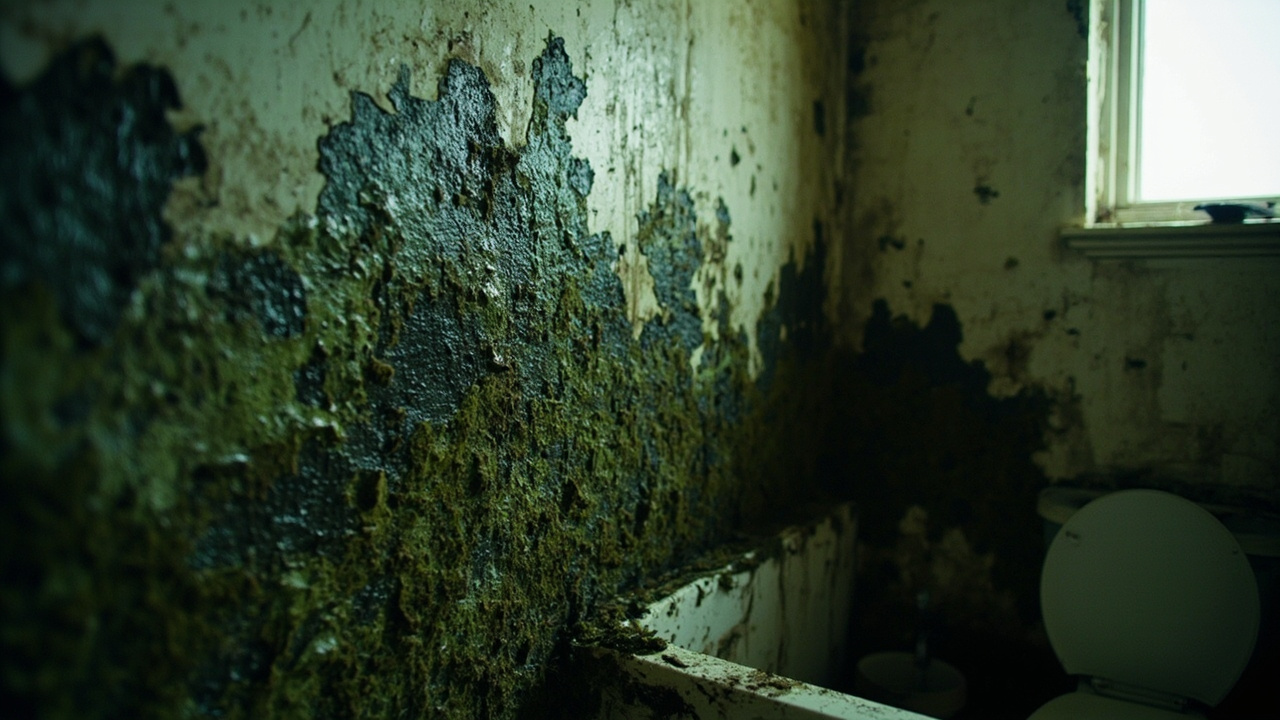
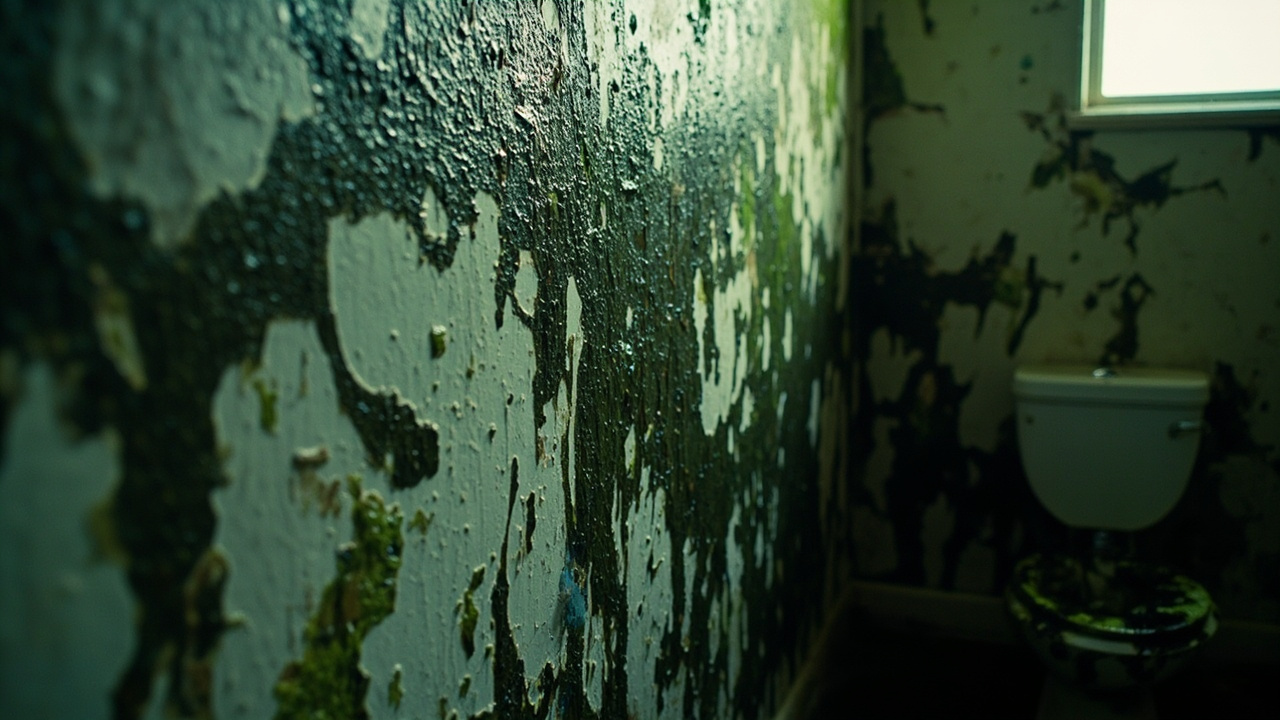
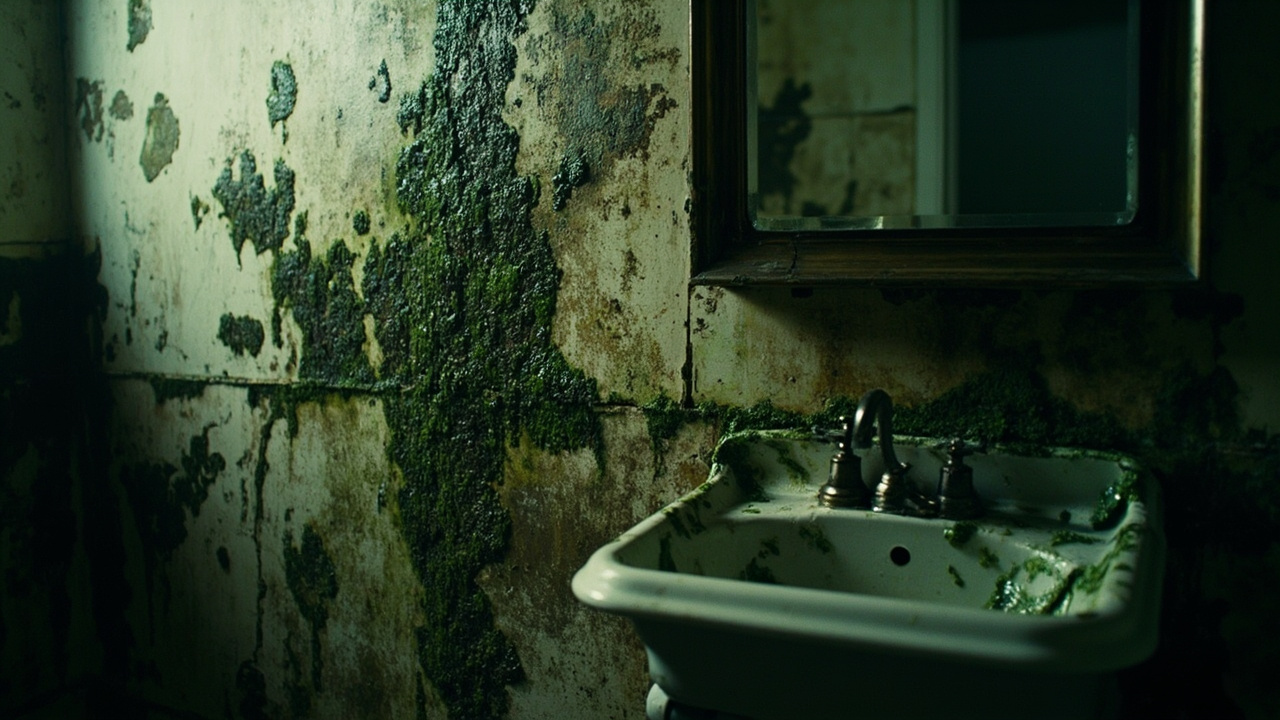
Stop guessing about those black mold spots on drywall and fungal growth on wall surfaces. Our certified technicians identify the moisture source, contain the contamination, and remove visible mildew on painted walls before it spreads through your property.

Slider Image 1
Slider Image 2
Slider Image 3
Slider Image 4
Slider Image 5
Slider Image 7
Slider Image 8
Slider Image 9
Slider Image 10
Slider Image 11

Why Orlando Homes and Buildings Develop Mold Patches on Sheetrock

You walk into a room and see it. Dark spots creeping across the drywall. A musty smell you cannot ignore. Visible mildew on painted walls that was not there last month.

Orlando's climate creates the perfect breeding ground for wall mold infestation. With an average relative humidity above 70 percent year-round and frequent afternoon thunderstorms from June through September, moisture gets trapped inside wall cavities. Add in older homes near Lake Eola or College Park with original plaster walls and limited vapor barriers, and you have a recipe for fungal growth on wall surfaces.

The mold you see on the surface is just the beginning. Black mold spots on drywall signal a deeper problem. Water is entering from somewhere. A slow roof leak. Condensation from an oversized AC unit cycling too fast. A pinhole leak in copper piping behind the wall. Poor flashing around windows during tropical storms.

Most property owners try to scrub the mold patches on sheetrock with bleach. That only kills surface spores. It does not address the moisture source. Within weeks, the mold returns. The problem gets worse. Drywall becomes soft. Paint bubbles. The musty odor intensifies.

Mold does not just look bad. It degrades building materials. It releases spores into the air. People with asthma or allergies notice symptoms first. Coughing. Headaches. Irritated eyes.

If you see visible mold growth on walls, the contamination has already spread behind the surface. You need a moisture meter. A thermal imaging camera. Someone who understands building science and knows how to trace the water intrusion back to its origin point.

Why Orlando Homes and Buildings Develop Mold Patches on Sheetrock
How We Eliminate Mold at the Source

How We Eliminate Mold at the Source

We do not just wipe down walls and call it done. That approach fails because it treats the symptom without fixing the cause.

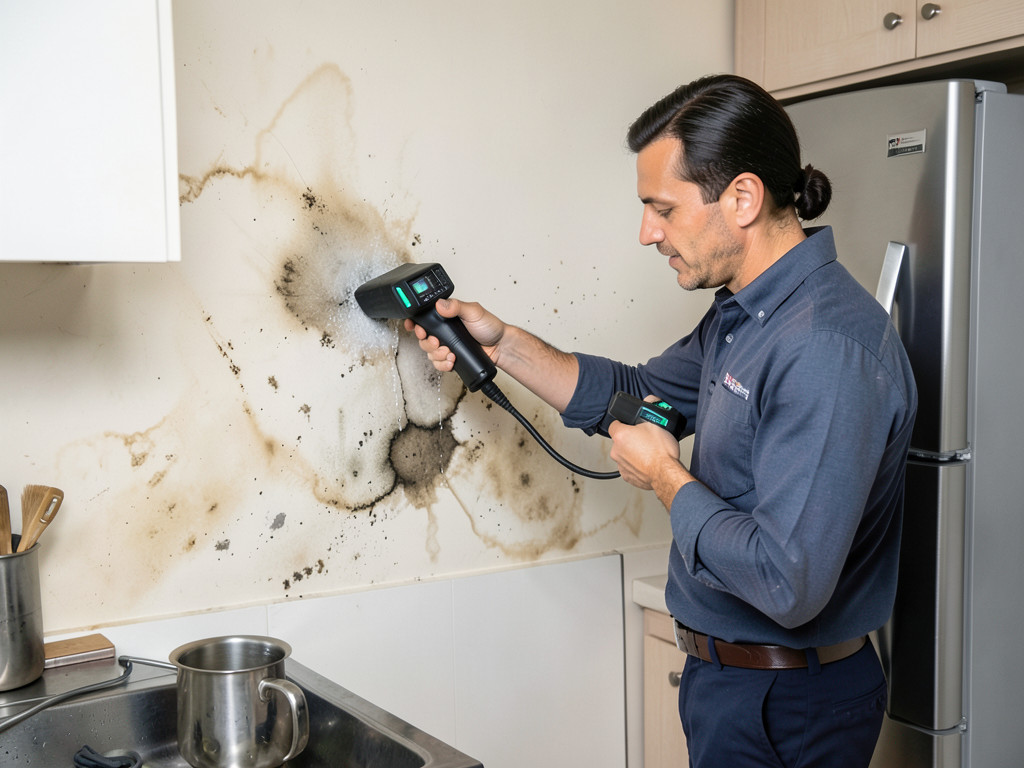
Our process starts with moisture mapping. We use pin-type and non-invasive moisture meters to measure water content in drywall, studs, and insulation. We scan walls with thermal imaging cameras to identify temperature differentials that indicate hidden moisture or missing insulation. This tells us if water is wicking up from a slab leak, dripping down from a roof penetration, or condensing due to improper HVAC sizing.

Once we identify the source, we establish containment. We seal off affected areas with polyethylene sheeting and create negative air pressure using HEPA-filtered air scrubbers. This prevents cross-contamination to clean areas of the structure. Mold spores become airborne during removal. Without containment, you spread the problem.

We remove all porous materials with visible mold growth. That means cutting out contaminated drywall, removing wet insulation, and disposing of it in sealed bags. We do not try to save moldy sheetrock. The spores penetrate the paper facing and gypsum core. You cannot clean it effectively.

Non-porous surfaces like studs, concrete, and metal get treated with EPA-registered antimicrobial solutions. We scrub and HEPA-vacuum all framing members before applying encapsulants.

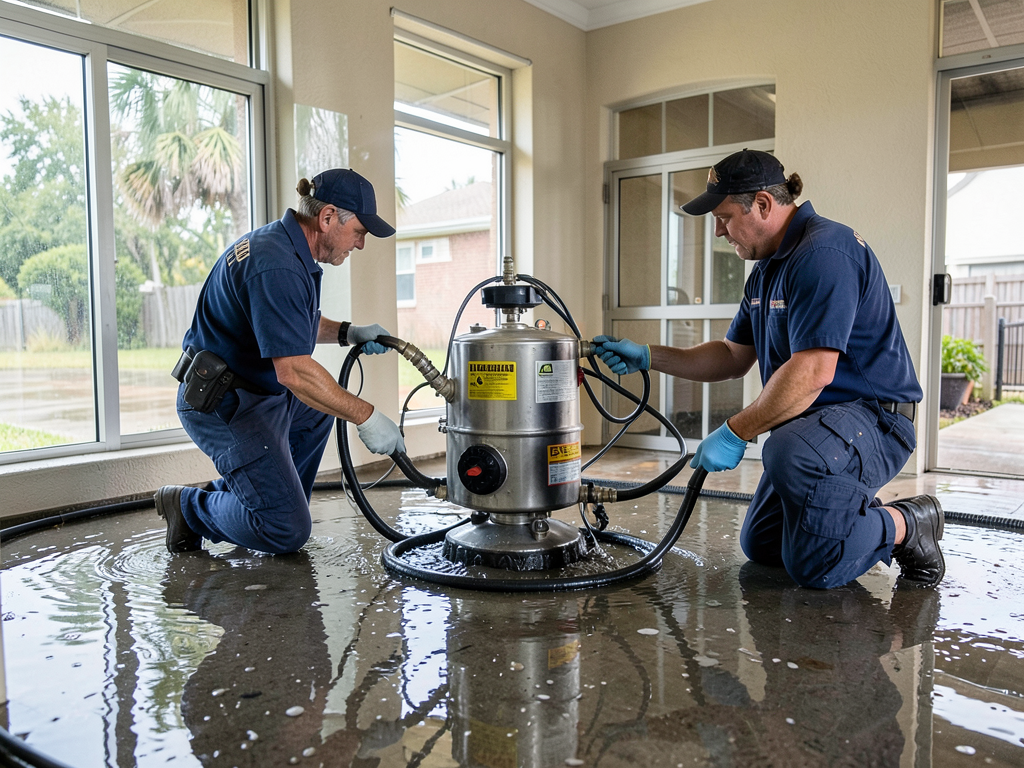
After removal, we dry the structure to below 15 percent moisture content using commercial dehumidifiers and air movers. We verify dryness with meter readings before reconstruction begins. We document the entire process with photos and moisture logs for insurance claims.

The final step is fixing the water intrusion point. New flashing. Resealed window frames. Repaired plumbing. Upgraded ventilation. Without this, mold will return.

What Happens During Your Mold Removal Service

Visible Mold Growth on Walls in Orlando – Expert Diagnosis and Complete Remediation
01

Inspection and Moisture Testing

We arrive with moisture detection equipment and thermal cameras to map the extent of water intrusion. You show us the visible mold patches on sheetrock. We trace the moisture back through wall cavities to find where water is entering. We check adjacent rooms and floors because water migrates through building assemblies. This inspection determines the scope of remediation and helps your insurance adjuster understand the full extent of damage.
02

Containment and Removal

We seal the work area with plastic barriers and set up negative air machines with HEPA filters. Our technicians wear respirators and protective suits during removal. We cut out all drywall with black mold spots, bag it, and dispose of it properly. We remove wet insulation and treat framing with antimicrobial solution. Air scrubbers run continuously to capture airborne spores. This phase creates dust and disruption, but containment keeps it localized to the affected area.
03

Drying and Prevention

After removal, we place dehumidifiers and air movers to dry all structural materials to safe moisture levels. We take daily readings until everything reads below 15 percent. We fix the water source causing the fungal growth on wall surfaces, whether that means repairing plumbing, improving drainage, or adding ventilation. Only after complete drying do we release the area for reconstruction. This ensures mold will not return behind new drywall.

Why Orlando Property Owners Choose Reliance Water Damage Restoration Orlando

Mold remediation is not regulated in Florida the way it is in some states. Anyone can claim they remove mold. That creates risk for property owners who hire the wrong contractor.

We follow the IICRC S520 Standard for mold remediation. This industry protocol defines proper containment, removal techniques, and clearance criteria. Our technicians hold IICRC Water Damage Restoration and Applied Microbial Remediation certifications. That means they understand the relationship between water intrusion and microbial growth.

We have worked in every type of structure in Orlando. Historic bungalows in Colonialtown with original plaster walls. Mid-century block homes in Azalea Park with terrazzo floors and flat roofs. Modern stucco homes in Lake Nona with synthetic stucco systems. Commercial buildings downtown with curtain wall systems. Each building type has unique vulnerabilities to water intrusion.

We understand Orlando's building codes and work with local inspectors when remediation requires structural repairs. We coordinate with insurance adjusters and provide detailed documentation for claims. Most carriers require specific protocols for mold claims. We know what they need.

Our equipment inventory includes industrial dehumidifiers rated for Florida's humidity levels. Standard residential dehumidifiers cannot pull enough moisture from the air when outdoor humidity sits at 80 percent. We use refrigerant and desiccant units designed for extreme conditions.

We respond quickly because mold spreads fast in warm, humid environments. What starts as a small patch on one wall can colonize an entire room within days if conditions are right. Speed matters.

You get a local team that understands how Orlando's afternoon thunderstorms, high water table, and aging infrastructure contribute to moisture problems in buildings.

What to Expect When You Call for Mold Removal

Response Time and Scheduling

We typically schedule inspections within 24 hours of your call. For active water intrusion with visible mold growth, we can respond the same day. The inspection takes one to two hours depending on property size. We provide a written scope of work and estimate before starting remediation. Most residential mold jobs begin within 48 hours of approval. Commercial projects may require additional coordination with facility managers or tenants, but we work around your schedule to minimize business disruption. Emergency services are available seven days a week.

The Inspection Process

Our technician arrives with moisture meters, thermal cameras, and inspection tools. You walk us through the areas where you see mold. We document everything with photos. We take moisture readings in walls, floors, and ceilings to map water intrusion patterns. We check HVAC systems, plumbing, windows, and roofs for potential sources. We look in attics and crawl spaces if accessible. You receive a detailed report explaining what we found, why mold developed, and what needs to happen to fix it. We answer your questions about the process, timeline, and costs before any work begins.

Quality of Remediation Work

We follow containment protocols that protect unaffected areas from cross-contamination. We remove all materials with visible mold rather than trying to clean them. We treat structural components with antimicrobial solutions and verify dryness with meters before releasing areas for reconstruction. We run air scrubbers during the entire process to capture airborne spores. You receive documentation showing moisture readings, photos of work in progress, and confirmation that the structure is dry. We do not hide problems or take shortcuts. The goal is complete remediation that passes third-party clearance testing if your insurance requires it.

Post-Remediation Support

After remediation, we provide recommendations to prevent future mold growth. This might include improving bathroom ventilation, adding gutters, adjusting sprinkler systems, or upgrading dehumidification. We can coordinate reconstruction or refer you to trusted contractors. If you need ongoing monitoring, we can schedule follow-up moisture checks to verify the problem is resolved. We keep detailed records of all work performed for warranty claims or future property transactions. If issues arise after remediation, we investigate to determine if new water intrusion has occurred. Our goal is long-term resolution, not temporary fixes.

Frequently Asked Questions

You Have Questions,
We Have Answers

What to do if I see mold on my wall? +

Stop using the affected room immediately. Do not touch or disturb the mold, as this releases spores into the air. Turn off your HVAC system to prevent spreading spores throughout your home. In Orlando's humid climate, mold spreads fast once visible growth appears. Document the area with photos for insurance purposes. Contact a certified mold remediation specialist to assess the contamination level and identify the moisture source. Never attempt DIY removal for patches larger than 10 square feet or if you have respiratory conditions. Professional remediation includes containment, air filtration, removal, and moisture correction to prevent recurrence.

Can mold make a baby cough? +

Yes. Mold exposure can trigger persistent coughing in infants and toddlers. Babies have developing immune systems and smaller airways, making them vulnerable to mold spores. Common symptoms include chronic cough, wheezing, nasal congestion, and respiratory infections that do not improve. Orlando's year-round humidity creates ideal conditions for mold growth, especially in poorly ventilated nurseries or homes with water intrusion. If your baby develops a persistent cough without other illness signs, inspect your home for visible mold, musty odors, or water damage. Move your baby to a clean environment and consult a pediatrician immediately while arranging professional mold testing.

Can mold cause twitching? +

Mold exposure can cause neurological symptoms, including muscle twitching or tremors. Mycotoxins produced by certain mold species affect the nervous system, leading to involuntary muscle movements, numbness, or tingling sensations. Other neurological symptoms include headaches, dizziness, difficulty concentrating, and memory problems. If you notice muscle twitching alongside visible mold in your home, seek medical evaluation immediately. Document your symptoms and the mold location. A physician can order testing to confirm mold-related illness. Professional mold remediation removes the source, but health effects may require ongoing medical treatment. Do not ignore neurological symptoms, as prolonged exposure worsens outcomes.

Is a little mold on walls okay? +

No. Any visible mold indicates a moisture problem that will worsen without intervention. Even small patches release spores that spread throughout your home via air currents. In Orlando's subtropical climate, minor mold growth explodes quickly due to constant humidity and warmth. Mold also grows behind walls, under flooring, and in HVAC systems where you cannot see it. Small surface spots signal larger hidden colonies. Mold damages building materials, reduces property value, and causes health problems. Address the moisture source immediately and remove all contamination professionally. Ignoring small mold growth leads to structural damage and expensive remediation later.

What kills mold permanently on walls? +

Permanent mold removal requires eliminating the moisture source, not just surface treatment. Professionals use HEPA-filtered negative air machines, antimicrobial treatments, and complete removal of contaminated materials like drywall or insulation. Bleach only kills surface mold temporarily and does not penetrate porous materials. In Orlando, common moisture sources include AC condensation leaks, roof damage from storms, and poor attic ventilation trapping humid air. Proper remediation includes identifying all water intrusion points, removing affected materials, treating surfaces with EPA-registered fungicides, and installing dehumidification or ventilation improvements. Without fixing the moisture problem, mold returns within weeks.

How to tell if mold is behind drywall? +

Look for discoloration, bubbling paint, or wallpaper peeling away from the wall. Press the drywall gently. Soft, spongy spots indicate water damage and likely mold growth behind the surface. A persistent musty odor near walls signals hidden mold colonies. Use a moisture meter to detect elevated readings above 16 percent, which supports mold growth. In Orlando homes, check exterior walls after heavy rains and interior walls near bathrooms or kitchens. Visible staining in corner joints or baseboards suggests water traveled behind drywall. Professional mold inspectors use thermal imaging cameras and borescope cameras to confirm hidden growth without demolition.

What are the 10 warning signs of mold toxicity? +

Common mold toxicity warnings include chronic fatigue, persistent headaches, difficulty concentrating, memory problems, respiratory issues like coughing or wheezing, sinus congestion, skin rashes, joint pain, digestive problems, and mood changes including anxiety or depression. You may also experience sensitivity to light, unexplained weight changes, metallic taste, increased urination, or temperature regulation problems. These symptoms worsen with continued exposure and improve when you leave the contaminated environment. Orlando residents often mistake mold symptoms for seasonal allergies due to high pollen counts. If multiple symptoms appear without clear cause and your home shows water damage or musty odors, request professional mold testing immediately.

How do I tell if mold is in my lungs? +

Mold in lungs causes persistent cough, shortness of breath, chest tightness, wheezing, and coughing up blood or dark mucus. You may experience frequent respiratory infections, fever, or rapid breathing. Fungal lung infections require medical diagnosis through chest X-rays, CT scans, or sputum cultures. If you suspect mold exposure and develop breathing difficulties, see a pulmonologist immediately. Do not wait for symptoms to worsen. Tell your doctor about known mold exposure in your home. Treatment may include antifungal medications or steroids. People with asthma, COPD, or weakened immune systems face higher risk. Remove yourself from the contaminated environment while seeking treatment.

Is it okay to stay in a house with black mold? +

No. Leave immediately if you see black mold growth, especially if covering large areas or affecting HVAC systems. Black mold produces mycotoxins that cause serious health problems with prolonged exposure. Sleeping in a contaminated home means breathing concentrated spores for eight hours nightly. Children, elderly residents, and people with respiratory conditions or compromised immunity face severe health risks. In Orlando's climate, black mold spreads rapidly once established. Move to clean temporary housing while professionals remediate your home. Do not remove belongings without professional cleaning, as items carry contaminated spores. Your health is not worth the risk of staying.

What are the mental symptoms of mold poisoning? +

Mold exposure causes brain fog, difficulty concentrating, memory loss, confusion, anxiety, depression, mood swings, and irritability. You may experience disorientation, slowed reflexes, or trouble finding words. Some people report feeling emotionally numb or having personality changes. These neurological effects result from mycotoxins crossing the blood-brain barrier and triggering inflammation. Mental symptoms often appear alongside physical signs like headaches or fatigue. Orlando residents may dismiss symptoms as stress or heat exhaustion. If mental changes coincide with moving into a home, recent water damage, or musty odors, investigate mold contamination. Mental symptoms can persist after exposure ends and may require medical treatment.

How Orlando's Humidity and Storm Patterns Accelerate Wall Mold Infestation

Orlando sits in the humid subtropical zone with average humidity above 70 percent year-round. During summer months, afternoon thunderstorms dump rain while outdoor temperatures hit 92 degrees. This creates constant moisture stress on building envelopes. Water vapor pushes through wall assemblies. AC systems struggle to dehumidify fast enough. Condensation forms on cold surfaces inside wall cavities. Homes built before 1990 often lack proper vapor barriers or have inadequate attic ventilation. The combination of trapped moisture and warm temperatures creates ideal conditions for black mold spots on drywall and fungal growth on wall surfaces. Properties near lakes or retention ponds face additional moisture from rising groundwater during rainy season.

Choosing a local restoration company matters because Orlando's building stock has unique characteristics. Many homes have concrete block construction with stucco exteriors. Water intrusion patterns differ from wood-frame construction. Flat roofs on mid-century homes develop ponding issues after heavy rain. Historic properties in neighborhoods like Thornton Park have plaster walls that hide moisture problems until mold breaks through. We understand these local building types and know where to look for hidden water damage. We work with Orlando insurance adjusters regularly and know what documentation they require for mold claims. Local expertise means faster diagnosis and proper remediation the first time.
Water Damage Restoration Services in The Orlanado Area

Looking for fast and reliable water damage restoration in your area? Reliance Water Damage Restoration Orlando proudly serves homes and businesses throughout Orlando and surrounding communities. Whether you're dealing with flood damage, burst pipes, or mold issues, our expert team is ready to respond 24/7. We use industry-leading equipment to extract water, dry structures, and restore your property to pre-loss condition. Check the map below to see if we service your neighborhood, or call now for immediate help.

Address:
Reliance Water Damage Restoration Orlando, 7380 W Sand Lake Rd Suite 500, Orlando, FL, 32819

Additional Services We Offer

Our news updates

Latest Articles & News from The Blogs

Lorem ipsum dolor sit amet. Aut expedita quaerat quo eligendi numquam et laudantium perspiciatis qui minima expedita rem consequatur ducimus.…

Test Blog 4

Lorem ipsum dolor sit amet. Aut expedita quaerat quo eligendi numquam et laudantium perspiciatis qui minima expedita rem consequatur ducimus.…

Test Blog 3

Lorem ipsum dolor sit amet. Aut expedita quaerat quo eligendi numquam et laudantium perspiciatis qui minima expedita rem consequatur ducimus.…

Test Blog 2

Lorem ipsum dolor sit amet. Aut expedita quaerat quo eligendi numquam et laudantium perspiciatis qui minima expedita rem consequatur ducimus.…

Contact Us

Do not let visible mold growth spread through your property. Call Reliance Water Damage Restoration Orlando at (689) 268-2233 for a professional inspection. We identify the moisture source, contain the contamination, and remove mold completely. Available seven days a week.