Menu

Peeling Paint & Wallpaper in Orlando – Expert Diagnosis Reveals Hidden Water Damage Before It Spreads

When bubbling paint or lifting wallpaper appears in your Orlando home, it signals active moisture intrusion that professional water damage assessment can identify and stop before mold colonizes wall cavities.

Slider Image 1
Slider Image 2
Slider Image 3
Slider Image 4
Slider Image 5
Slider Image 7
Slider Image 8
Slider Image 9
Slider Image 10
Slider Image 11

Why Orlando Walls Show Bubbling Paint and Loose Wallpaper

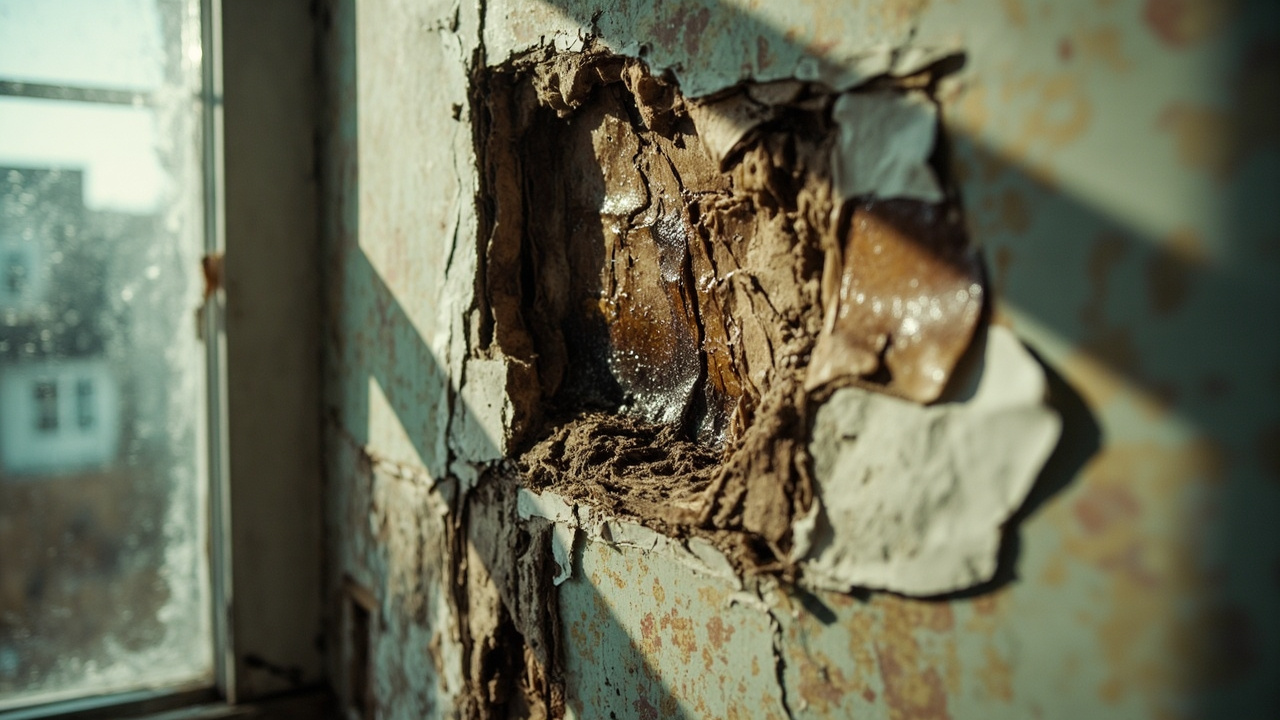
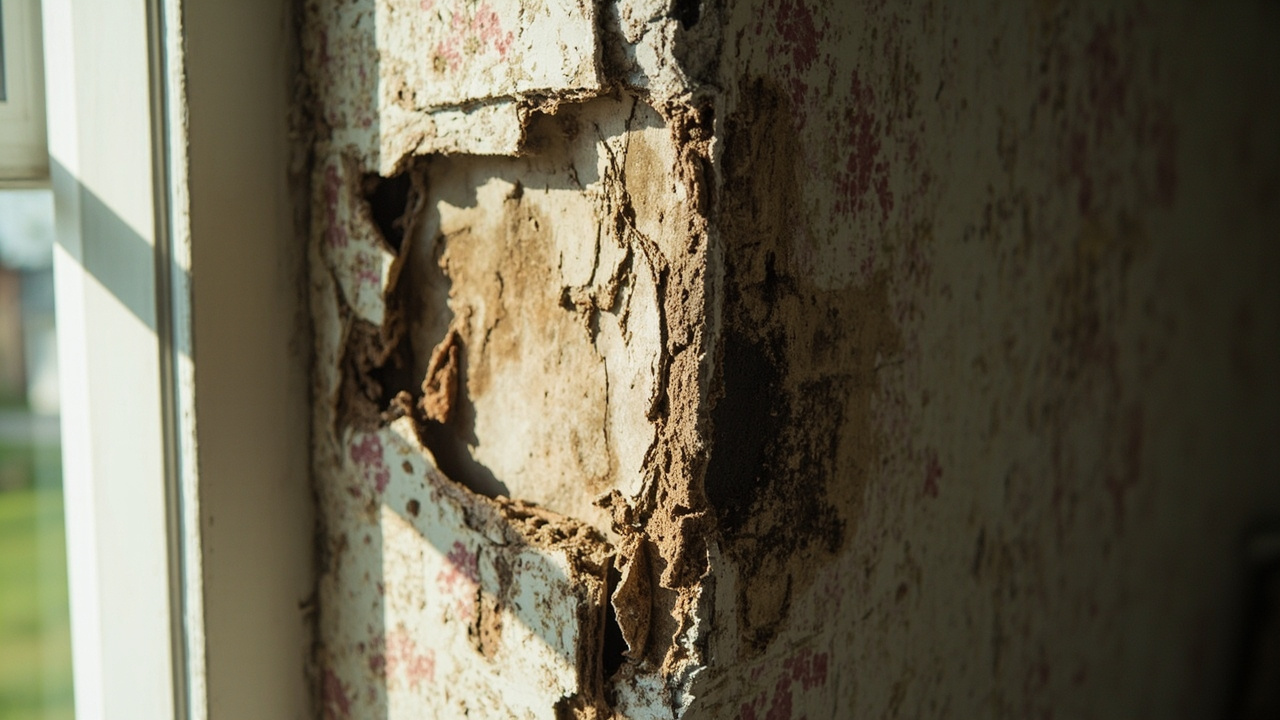
You walk past the same wall every day until one morning you notice it. Bubbling paint near the baseboards. Wallpaper curling at the seams. Blistering wall paint around a window frame. These symptoms tell you water is trapped inside your drywall.

Orlando's subtropical climate creates unique challenges for wall integrity. Summer humidity averages 74 percent. Afternoon thunderstorms dump inches of rain in minutes. AC units run 300 days per year, creating condensation opportunities at every vent and register. When exterior moisture breaches your building envelope through compromised flashing or missing caulk, it meets interior humidity. The drywall becomes a sponge.

Flaking paint is not a cosmetic issue. It means the substrate has lost adhesion because moisture has infiltrated the gypsum core. Lifting wallpaper happens when paste releases from wet drywall. The paper pulls away, exposing dark staining underneath. That staining is mold growth. By the time you see surface symptoms, the problem has been developing for weeks.

Central Florida's construction boom between 2000 and 2008 produced thousands of homes with improper vapor barriers and inadequate attic ventilation. Add torrential rain events from tropical systems, and you get chronic moisture problems. Lake Nona, Baldwin Park, and Avalon Park neighborhoods have older EIFS (synthetic stucco) installations that trap water behind finished walls. The paint bubbles. The wallpaper loosens. The wall cavity floods.

You need to know what is happening behind that surface before you repaint. Water does not stop on its own. It finds studs, insulation, electrical boxes. It spreads horizontally through capillary action. Reliance Water Damage Restoration Orlando uses thermal imaging and moisture meters to map the full extent of saturation so you fix the actual problem, not just the symptom you can see.

Why Orlando Walls Show Bubbling Paint and Loose Wallpaper
How We Identify the Moisture Source Behind Failed Paint and Wallpaper

How We Identify the Moisture Source Behind Failed Paint and Wallpaper

Most homeowners assume the obvious source is the culprit. Bathroom walls show bubbling paint, so they blame the shower pan. But the real leak could be a roof penetration 15 feet away, with water traveling laterally through wall cavities before surfacing at the lowest point.

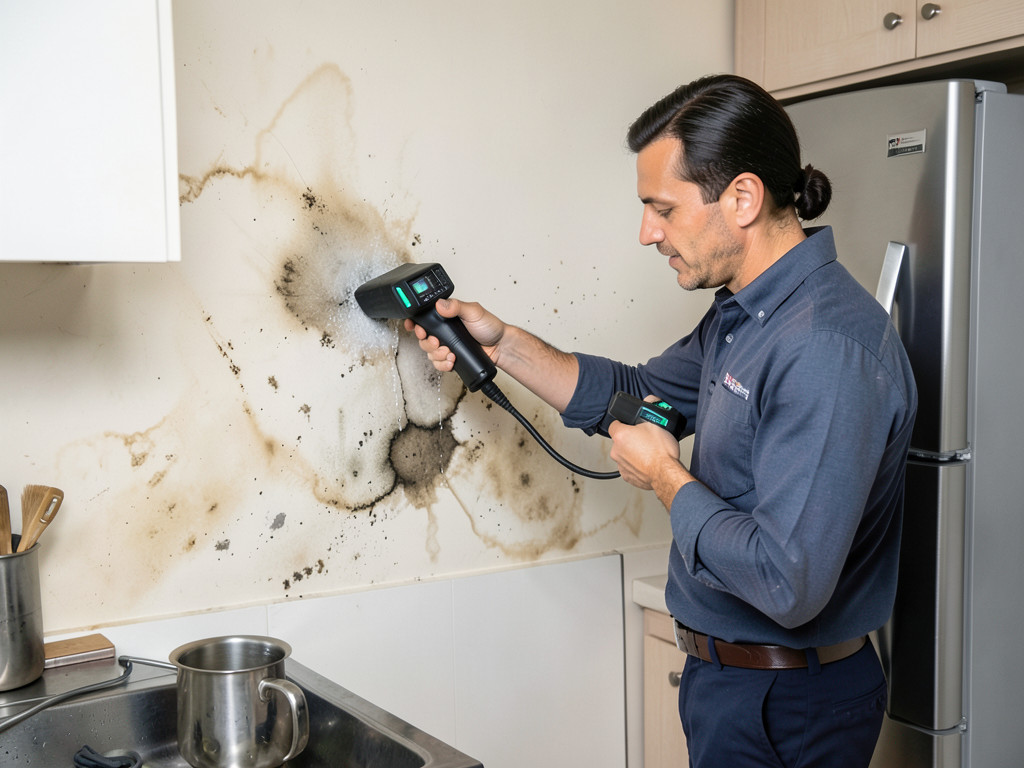
We start with infrared thermography. A thermal camera detects temperature differentials caused by evaporative cooling. Wet drywall shows up as a cold signature on the display. This lets us trace moisture paths without opening walls. We scan floors, ceilings, and adjacent rooms to establish the perimeter of contamination.

Next, we use pin-type and non-invasive moisture meters to quantify water content. Readings above 17 percent indicate active saturation. We document gradients to determine whether moisture is wicking upward from a slab leak or traveling downward from a roof intrusion. The data tells us which building assembly failed.

Common sources we find in Orlando homes include AC drain line failures, condensate pump malfunctions, improperly sealed window flanges, compromised weather barriers around stucco terminations, and deteriorated plumbing under slab foundations. Tile shower surrounds installed without waterproof membranes allow years of gradual seepage that eventually causes wallpaper to lift in adjacent bedrooms.

Once we isolate the source, we perform containment. Plastic sheeting and negative air pressure prevent cross-contamination to clean areas. We remove affected drywall in controlled sections, expose framing to assess structural integrity, and treat cavities with antimicrobial solutions if mold is present. Wet insulation gets extracted. Studs get dried to below 15 percent moisture content using commercial dehumidifiers and air movers.

We do not patch over problems. We eliminate the moisture source, remediate the damage, and restore the building envelope to code-compliant condition. That is how you prevent recurrence.

What Happens When You Call About Wall Damage

Peeling Paint & Wallpaper in Orlando – Expert Diagnosis Reveals Hidden Water Damage Before It Spreads
01

Emergency Assessment Call

You describe the visible symptoms over the phone. We ask about the age of the structure, recent weather events, and any plumbing or HVAC work completed in the past 90 days. This pre-arrival screening helps us bring the correct diagnostic equipment. We dispatch a technician within two hours for active leaks or same-day for chronic issues like blistering wall paint or flaking paint that suggest long-term moisture intrusion.
02

On-Site Moisture Mapping

Our technician uses thermal imaging to scan all affected walls and adjacent surfaces. Pin meters confirm saturation levels at multiple test points. We document findings with photos and moisture gradient maps. If lifting wallpaper or bubbling paint appears near electrical outlets, we check for energized wires in wet boxes. You receive a written scope detailing the moisture source, contamination extent, and recommended remediation protocol before any work begins.
03

Remediation and Verification

After source repair and affected material removal, we establish drying goals based on IICRC S500 standards. Dehumidifiers and air movers run continuously until moisture readings drop below 12 percent in structural materials. We take daily measurements and adjust equipment placement to optimize evaporation rates. Final verification includes clearance testing for mold if initial contamination exceeded ten square feet. You get documentation for insurance and a dry structure ready for reconstruction.

Why Orlando Homeowners Choose Local Water Damage Specialists

You need a restoration company that understands Florida building science. Orlando's construction methods differ from northern markets. Concrete block exterior walls with stucco finishes behave differently than wood-framed structures with vinyl siding. HVAC systems sized for subtropical cooling create condensation challenges that contractors in Denver never see.

Reliance Water Damage Restoration Orlando has worked in every major neighborhood from Winter Park to Kissimmee. We know which subdivisions have chronic foundation issues because they were built on reclaimed wetlands. We recognize the signs of Chinese drywall in homes built between 2004 and 2007. We understand how Orlando's flat topography and high water table complicate slab leak repairs.

Local expertise matters when dealing with insurance claims. Florida has specific statutes governing claim filing deadlines and carrier responsibilities. We document damage using Xactimate estimating software, the same platform your adjuster uses. Our line-item pricing matches industry databases, which reduces disputes and speeds approval. We communicate directly with adjusters to explain technical findings like elevated moisture content in wall cavities detected through non-invasive scanning.

We also understand Orlando's mold remediation requirements. Any project involving more than ten contiguous square feet of contamination requires following Department of Health protocols. Our technicians hold IICRC certifications in water damage restoration and applied microbial remediation. We maintain liability coverage that meets local contractor requirements, and we pull permits when structural repairs require inspection.

When you hire a company based three states away, they do not know that Orange County requires electrical inspections after drywall removal in wet areas. They do not recognize that certain HOAs in Baldwin Park mandate architectural review before exterior repairs. They cannot respond quickly when a summer thunderstorm causes sudden flooding. Local knowledge prevents delays, reduces costs, and ensures compliance with regulations that out-of-market contractors miss.

You also get accountability. We live here. We work here. Our reputation depends on solving your problem correctly the first time.

What to Expect During the Water Damage Assessment

Response Time and Availability

We operate 24 hours a day because water does not wait for business hours. Active leaks causing bubbling paint or pooling water get emergency response within 90 minutes. Chronic issues like loose wallpaper or blistering wall paint that suggest long-term seepage qualify for same-day assessment appointments. You call, we answer, and we schedule based on urgency. Evening and weekend availability is standard, not an upcharge. Our dispatch system tracks technician locations across the Orlando metro to route the closest qualified professional to your property. You receive a confirmation text with arrival window and technician credentials.

Comprehensive Moisture Evaluation

The initial assessment takes 60 to 90 minutes depending on property size. We do not charge for this evaluation when you proceed with recommended remediation. Our technician inspects all affected areas plus adjacent rooms to establish contamination boundaries. Thermal imaging reveals hidden moisture behind intact surfaces. Moisture meters provide quantified readings at floor, mid-wall, and ceiling levels. We check attic spaces above damage zones and crawl spaces below when accessible. You receive digital photos, moisture maps, and a written scope before any demolition begins. We explain what we found, why it happened, and what it takes to fix it correctly.

Restored Living Spaces

Our goal is to return your home to pre-loss condition. That means dry structure, clean air, and no residual odor. After extraction and drying, we clean all salvageable surfaces with HEPA vacuums and antimicrobial solutions. We do not just dry the walls and leave you with reconstruction. We coordinate with licensed contractors for drywall replacement, texture matching, and paint application. If lifting wallpaper revealed mold contamination, we follow proper abatement protocols before reconstruction starts. The finished space looks like the damage never happened. You get documentation showing final moisture readings to confirm the structure is dry and stable.

Post-Remediation Monitoring

Water damage does not always behave predictably. A wall that seems dry can retain moisture in dense materials like plaster or concrete. We offer follow-up moisture checks at 30 and 60 days after project completion to verify stability. If readings trend upward, it signals an unresolved source or insufficient drying time. This monitoring catches problems before they escalate into new flaking paint or bubbling paint issues. You also receive guidance on humidity control and ventilation improvements to prevent future occurrences. Proper attic ventilation, upgraded bathroom exhaust fans, and AC maintenance reduce the risk of moisture accumulation that causes wallpaper and paint failure.

Frequently Asked Questions

You Have Questions,
We Have Answers

Why is my paint peeling like wallpaper? +

Paint peeling like wallpaper signals adhesion failure. This happens when moisture infiltrates the wall substrate, breaking the bond between paint and surface. In Orlando, high humidity and frequent afternoon storms create ideal conditions for water intrusion through cracks, failed caulking, or roof leaks. The moisture pushes outward as vapor, lifting paint layers in large sheets. Poor surface prep, painting over dirty walls, or applying paint to damp surfaces also causes this. If you see widespread sheet peeling, inspect for active water damage behind the wall. Addressing the moisture source prevents recurring failure.

What to do when paint peels off a wall? +

Stop and assess the damage first. Identify the moisture source causing the peel. Check for roof leaks, plumbing issues, or exterior cracks allowing water entry. In Orlando's humid climate, condensation from poor ventilation also triggers peeling. Scrape loose paint with a putty knife, then sand edges smooth. Let walls dry completely before repairs. If peeling covers large areas or you find soft drywall, call a water damage restoration specialist. They address hidden moisture and mold growth before cosmetic fixes. Repainting over wet substrate guarantees failure within months.

Is it cheaper to paint or peel and stick wallpaper? +

Painting costs less upfront than peel and stick wallpaper. A gallon of quality paint covers roughly 350 square feet and runs lower per square foot than wallpaper panels. However, peel and stick offers faster installation without primer or multiple coats. For Orlando homes with moisture issues, paint proves more durable long term. Wallpaper traps humidity between the adhesive and wall, creating mold risk in our subtropical climate. If your walls have prior peeling from water damage, neither solution works until you fix the moisture problem. Address the root cause first.

Can I wallpaper over peeling paint? +

No. Wallpaper over peeling paint fails quickly. The existing paint lacks adhesion, so adding wallpaper weight accelerates the failure. Trapped moisture between layers creates mold growth, common in Orlando's humid environment. The wallpaper adhesive cannot bond to unstable paint. You must scrape all loose paint, sand smooth, prime bare spots, and ensure walls are completely dry. If peeling stems from water damage, fix leaks and test moisture levels with a meter before any cosmetic work. Shortcuts guarantee you will redo the job within months.

Can I paint over paint that's peeling? +

Painting over peeling paint guarantees failure. The new coat adds weight to an already compromised surface, causing faster and more extensive peeling. You must remove all loose paint by scraping and sanding. Feather edges where stable paint meets bare substrate. Prime exposed areas with a stain blocking primer. In Orlando, check for moisture issues first. If humidity or leaks caused the original peel, new paint will fail identically. Address water sources, let walls dry thoroughly, then prep correctly. Proper prep takes time but prevents wasting money on repeated failures.

What is the main cause of peeling paint? +

Moisture causes most paint peeling. Water infiltrates through roof leaks, plumbing failures, exterior cracks, or rising damp from foundation issues. In Orlando, high humidity and seasonal storms amplify these problems. When moisture reaches the wall substrate, it pushes outward as vapor pressure, breaking the paint bond. Poor surface prep ranks second. Painting over dirt, grease, or existing loose paint creates weak adhesion. Using wrong primers or painting damp surfaces also fails. If you see peeling, trace the water source first. Cosmetic fixes without addressing moisture waste time and money.

What is the difference between flaking and peeling paint? +

Flaking describes small chips or fragments breaking away from the surface, usually from weathering or poor quality paint. Peeling involves larger sections lifting in sheets, indicating adhesion failure from moisture or contamination. In Orlando, flaking occurs on sun exposed exterior trim from UV degradation. Peeling happens where water infiltrates walls, pushing paint layers outward. Flaking often stays localized. Peeling spreads as moisture migrates through substrate. Both require scraping and prep, but peeling demands moisture investigation. If you see sheets lifting, check for active water damage before repainting.

Can humidity cause paint to peel? +

Yes. High humidity directly causes paint peeling in Orlando homes. Moisture vapor moves from high concentration areas (humid air) toward low concentration (wall cavities). Without proper vapor barriers or ventilation, humidity condenses inside walls. This trapped moisture saturates drywall or plaster, breaking paint adhesion from behind. Bathrooms, kitchens, and poorly ventilated spaces show peeling first. Orlando's subtropical climate makes this worse during summer months. Run exhaust fans during showers, use dehumidifiers in closed spaces, and ensure proper attic ventilation. Humidity peeling requires moisture control, not just repainting.

Should I scrape off all the peeling paint? +

Yes. Remove all loose and peeling paint before repairs. Scrape with a putty knife until you reach stable, well adhered paint. Feather sand the edges where good paint meets bare substrate to create smooth transitions. Leaving loose paint guarantees new coats will fail at the same spots. In Orlando's humid climate, check scraped areas for soft or water damaged drywall. If substrate feels spongy, you have active moisture issues requiring professional water damage assessment. Scraping reveals the true extent of damage and prevents shortcuts that waste money on recurring failures.

What is the cost of painting a 1000 sq ft house? +

Painting costs for a 1000 square foot house vary based on prep work, paint quality, and current condition. Extensive scraping, priming, and repairs from water damage increase labor costs significantly. Orlando homes with peeling from humidity or storm damage require more prep than standard repaints. Material costs include primer, paint, caulk, and supplies. If peeling indicates moisture problems, address water intrusion first or the paint job fails quickly. Get written estimates detailing prep scope, not just paint application. Proper surface preparation determines longevity, making it worth the investment upfront.

How Central Florida Humidity Accelerates Paint and Wallpaper Failure

Orlando's average dew point hovers near 70 degrees from June through September. When interior surfaces cool below the dew point because of aggressive AC operation, condensation forms on walls, particularly on north-facing exterior walls and in poorly insulated areas. This constant cycle of moisture deposition weakens paint adhesion and saturates wallpaper paste. Homes built before 2002 often lack adequate vapor barriers in walls, allowing exterior humidity to migrate through porous concrete block and condense inside conditioned spaces. The result is chronic blistering wall paint and loose wallpaper in rooms with no obvious leak source. Understanding this climate-specific challenge separates effective remediation from temporary cosmetic fixes.

Reliance Water Damage Restoration Orlando works with local building inspectors and follows Florida Building Code requirements for moisture management in habitable structures. We understand the interplay between Orlando's climate, construction methods, and material performance. Our technicians complete ongoing training in building science specific to subtropical environments. When you hire local specialists, you get professionals who recognize patterns unique to Central Florida housing stock. We have relationships with reputable contractors for source repairs like roof flashing replacement, window re-sealing, and HVAC condensate line corrections. This integrated approach solves the root cause while remediating visible damage, giving you lasting results instead of recurring problems.
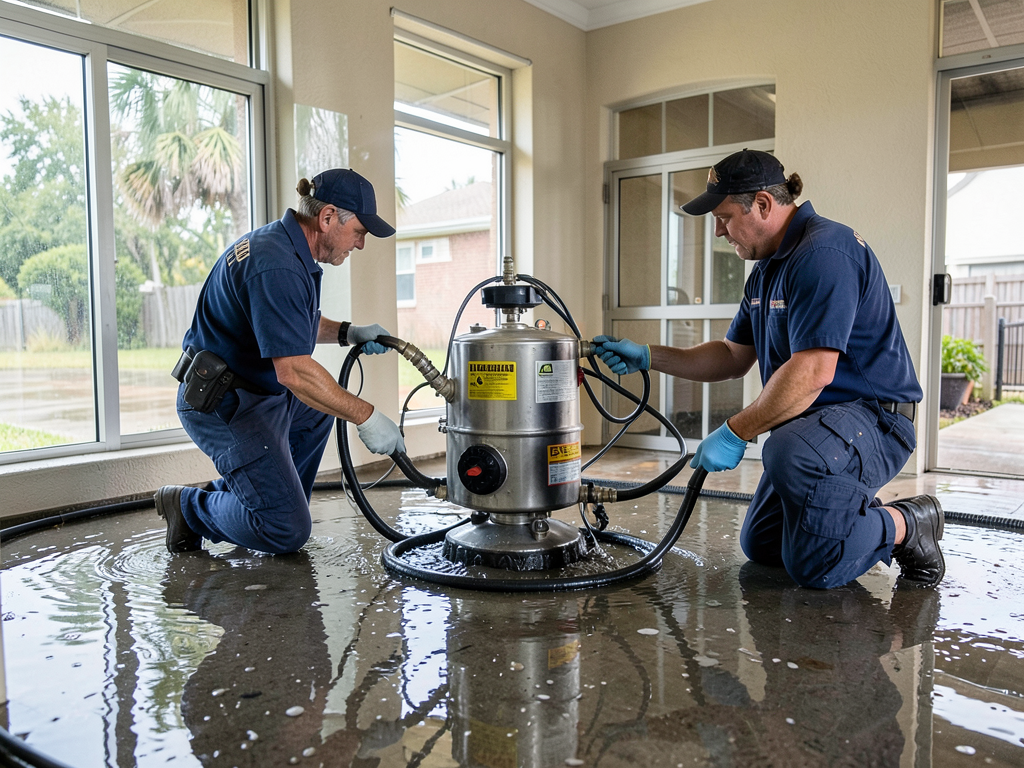
Water Damage Restoration Services in The Orlanado Area

Looking for fast and reliable water damage restoration in your area? Reliance Water Damage Restoration Orlando proudly serves homes and businesses throughout Orlando and surrounding communities. Whether you're dealing with flood damage, burst pipes, or mold issues, our expert team is ready to respond 24/7. We use industry-leading equipment to extract water, dry structures, and restore your property to pre-loss condition. Check the map below to see if we service your neighborhood, or call now for immediate help.

Address:
Reliance Water Damage Restoration Orlando, 7380 W Sand Lake Rd Suite 500, Orlando, FL, 32819

Additional Services We Offer

Our news updates

Latest Articles & News from The Blogs

Lorem ipsum dolor sit amet. Aut expedita quaerat quo eligendi numquam et laudantium perspiciatis qui minima expedita rem consequatur ducimus.…

Test Blog 4

Lorem ipsum dolor sit amet. Aut expedita quaerat quo eligendi numquam et laudantium perspiciatis qui minima expedita rem consequatur ducimus.…

Test Blog 3

Lorem ipsum dolor sit amet. Aut expedita quaerat quo eligendi numquam et laudantium perspiciatis qui minima expedita rem consequatur ducimus.…

Test Blog 2

Lorem ipsum dolor sit amet. Aut expedita quaerat quo eligendi numquam et laudantium perspiciatis qui minima expedita rem consequatur ducimus.…

Contact Us

Bubbling paint and lifting wallpaper are warnings, not cosmetic flaws. Call (689) 268-2233 now for same-day moisture assessment in Orlando. We identify the source, map the damage, and provide written remediation plans before you commit to repairs.