Is it Safe to Sleep in Your House During Water Damage Restoration?
Water damage hits Orlando homes fast. A burst pipe floods your bedroom. Storm surge soaks your living room. The first question that pops into your head is simple: can I stay here while they fix it? Emergency Water Damage Restoration for Windermere Homeowners.
The honest answer depends on the type of water damage, the affected areas, and how quickly you act. In some cases you can stay safely. In others you need to leave immediately. This guide breaks down the real risks and gives you clear steps to protect your family.. Read more about The Difference Between Water Mitigation and Restoration (And Why it Matters for Your Wallet).
The Short Answer: Is it Safe?
Think of water damage like a stoplight:
- Green Light – Clean water from a broken supply line. If the damage is small and isolated, you can usually stay.
- Yellow Light – Grey water from a washing machine overflow. You might stay with precautions like containment barriers.
- Red Light – Sewage backup or floodwater. Leave immediately. This is a serious health hazard.
Health & Safety Risks in the Orlando Climate
Orlando’s humidity makes water damage recovery more urgent. The air holds moisture like a sponge. That means mold can start growing within 24 to 48 hours after water exposure.. Read more about Dealing with Water Damage in Your Detached Guest House or Workshop in Winter Park.
Florida Building Code requires mold remediation contractors to follow strict safety protocols. Category 3 water (sewage or floodwater) carries bacteria like E. coli and salmonella. Even breathing near contaminated materials can make you sick. Florida Building Code.
Industrial drying equipment runs 24/7. Air movers and dehumidifiers create constant noise. Some homeowners report decibel levels between 60 and 70 dB, similar to a vacuum cleaner. This can disrupt sleep even if the air is safe to breathe.. Read more about How to Clean and Sanitize Your Belongings After a Sewage Backup.
What to Expect: The Logistics of Restoration
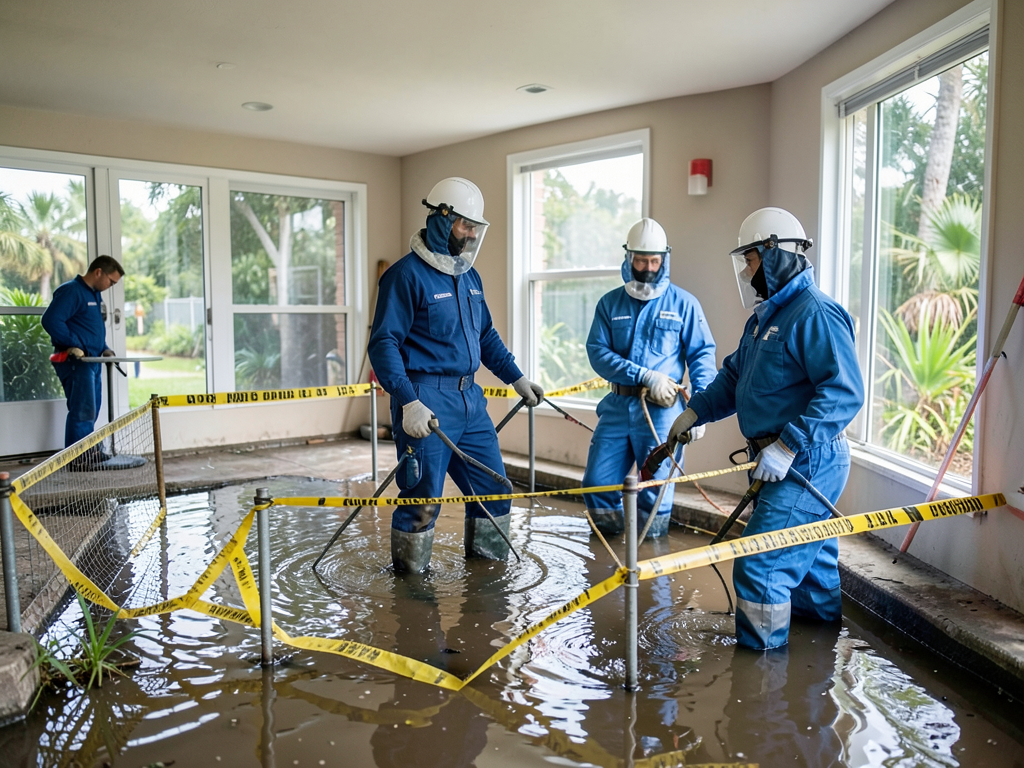
Restoration crews set up containment zones using ZipWall barriers. These plastic walls separate wet areas from dry ones. Inside the containment, technicians wear personal protective equipment (PPE). EPA Mold Guidelines.
Industrial air scrubbers with HEPA filters clean the air. These machines remove 99.97% of particles as small as 0.3 microns. That includes mold spores and dust.
Power cords run across floors. Dehumidifiers pull gallons of water from the air daily. The equipment gets hot. Rooms can feel like saunas during the drying process. Hardwood Floor Water Damage Restoration in Winter Garden.
Living Room by Room: Kitchen and Bathroom Access
If your kitchen is affected, you lose access to appliances. Crews often create a temporary kitchen area in another part of the house. This might mean a microwave on a folding table and a cooler for drinks.. Read more about Is it Safe to Stay in Your House While it Dries Out After a Major Leak?.
Bathrooms pose special challenges. Wet drywall can collapse. Floor tiles can become slippery when wet. Crews may seal off bathrooms completely for safety.
In neighborhoods like Winter Park and Maitland, older homes have plaster walls. These hold moisture longer than modern drywall. Restoration takes more time and creates more disruption.. Read more about How to Vet a Restoration Contractor Before They Start Work in Golden Oak.
Insurance Considerations for Orlando Residents
Most homeowners insurance policies include Additional Living Expenses (ALE) coverage. This pays for hotels, meals, and other costs when your home becomes uninhabitable.
ALE typically covers 10% to 20% of your dwelling coverage limit. If your policy covers $300,000 in home damage, you might get $30,000 to $60,000 for living expenses.. Read more about Signs of Structural Damage After a Major Pipe Burst in College Park.
The key is documentation. Take photos before you leave. Keep receipts for all expenses. Your insurance adjuster needs proof that you couldn’t safely stay.
Safety Checklist for Families and Pets
Before deciding to stay, run through this safety checklist:
- Is the water Category 1 (clean) or Category 3 (sewage)?
- Are containment barriers in place?
- Do you have access to a safe sleeping area away from equipment?
- Can you control temperature and humidity in your living space?
- Do you have a plan for pets that keeps them away from hazards?
Structural Integrity: When to Leave Immediately
Water weakens building materials. Wet drywall can collapse. Saturated subflooring can give way under foot traffic.
If you notice sagging ceilings or buckling floors, leave immediately. These are signs of serious structural damage. Walking through these areas puts you at risk of injury. What to Do When Your Ceiling Starts Leaking in Baldwin Park.
Orlando’s concrete block construction handles water better than wood-frame homes in some ways. But even concrete can crack when saturated. The freeze-thaw cycle doesn’t exist here, but hydrostatic pressure from saturated soil can push foundations inward. The Best Way to Handle Sewage Backup Cleanup in College Park.
Noise and Sleep Disruption
Industrial air movers run at 60-70 decibels continuously. That’s louder than normal conversation but quieter than a lawnmower.
Dehumidifiers add heat to rooms. Temperatures can rise 5-10 degrees above normal. This affects sleep quality even if you’re not directly in the affected area.
Some families choose to stay in one part of the house while restoration happens in another. This works if the equipment noise doesn’t reach your sleeping area.
Air Quality and Respiratory Health
Even clean water can grow mold if left untreated. The EPA recommends keeping indoor humidity below 60%. Restoration equipment often runs at 30-50% relative humidity.
People with asthma or allergies face higher risks. Mold spores can trigger attacks. Dust from demolition work can irritate lungs.
HEPA air scrubbers help but don’t eliminate all particles. If you have respiratory conditions, consider temporary relocation.. Read more about Respiratory Issues and Hidden Water Damage (What Orlando Families Need to Monitor).
Child and Pet Safety During Restoration
Children are naturally curious. They may try to touch equipment or open containment barriers. This puts them at risk of electrical shock or exposure to contaminated materials.
Pets face similar dangers. Dogs may chew on power cords. Cats may hide in confined spaces where equipment operates.
If you have young children or pets, the safest option is usually temporary relocation. The peace of mind is worth the inconvenience.
Duration of Restoration Work
Most residential water damage restoration takes 3 to 7 days. This includes water extraction, drying, and initial cleaning.
Category 3 damage or extensive structural repairs can extend this to 2-4 weeks. During this time, you’ll need to decide whether to stay or go.
Restoration companies can often complete the worst work during daytime hours. This allows you to return each evening if you choose to stay.
Cost Factors for Temporary Relocation
Hotel costs in Orlando range from $80 to $200 per night depending on location and season. Extended stay hotels offer weekly rates that can save 20-30%.
Eating out adds up quickly. A family of four might spend $100-150 per day on meals if they can’t cook at home.
Weigh these costs against the convenience of staying home. Sometimes the price difference is smaller than you expect.
Local Building Codes and Requirements
Florida Building Code requires specific safety measures for water damage restoration. Contractors must use proper containment, wear PPE, and follow EPA guidelines for mold remediation.
Orlando’s humid climate means restoration companies often work faster than in drier climates. They know mold can establish itself in 24-48 hours.
Local contractors understand the unique challenges of Central Florida homes. They know how to handle concrete block construction, high water tables, and hurricane-related damage.
Making the Final Decision
Ask yourself these questions:
- Is the water clean or contaminated?
- How much of my home is affected?
- Do I have vulnerable family members (children, elderly, sick)?
- Can I tolerate the noise and heat from equipment?
- Do I have adequate insurance coverage for temporary housing?
If you answer yes to any of these, temporary relocation might be your best option. If you answer no to most, you might be able to stay safely.
Frequently Asked Questions
How long after water damage does mold start growing?
Mold can begin growing within 24 to 48 hours in Orlando’s humid climate. That’s why fast water extraction is critical.
Will my insurance pay for a hotel if I can’t stay home?
Most policies include Additional Living Expenses coverage. This typically covers 10-20% of your dwelling coverage for temporary housing costs.
Can I stay in my house if only one room has water damage?
Often yes, if the water is clean and crews set up proper containment. You’ll need to avoid the affected area and tolerate some noise.
What’s the difference between Category 1 and Category 3 water?
Category 1 is clean water from supply lines. Category 3 is sewage or floodwater containing harmful bacteria and pathogens.
Take Action Now
Water damage doesn’t wait. Neither should you. If you’re facing water damage in your Orlando home, call Reliance Water Damage Restoration at (689) 268-2233. We’ll assess your situation and tell you honestly whether you can stay or need to go. Our team works 24/7 to get your home safe and dry as quickly as possible.
Don’t risk your family’s health. Get professional help today. Professional Mold Removal and Remediation Services in Lake Nona.
You may also find this helpful. How to Tell if That Spot on Your Ceiling is an Old Leak or a New Problem.
{
“@context”: “https://schema.org”,
“@type”: “BlogPosting”,
“headline”: “Is it Safe to Sleep in Your House During Water Damage Restoration?”,
“description”: “Learn when it’s safe to stay home during Orlando water damage restoration, health risks, insurance coverage, and how humidity affects drying time. Call (689) 268-2233.”,
“wordCount”: 1448,
“datePublished”: “2026-04-04T12:50:00.000Z”,
“dateModified”: “2026-04-04T12:50:00.000Z”,
“inLanguage”: “en-US”,
“mainEntityOfPage”: {
“@type”: “WebPage”,
“@id”: “https://reliancewaterdamagerestorationorlando.com”
},
“publisher”: {
“@type”: “LocalBusiness”,
“name”: “Reliance Water Damage Restoration Orlando”,
“url”: “https://reliancewaterdamagerestorationorlando.com”
},
“author”: {
“@type”: “Organization”,
“name”: “Reliance Water Damage Restoration Orlando”,
“url”: “https://reliancewaterdamagerestorationorlando.com”
},
“image”: {
“@type”: “ImageObject”,
“url”: “https://reliancewaterdamagerestorationorlando.com/wp-content/uploads/2026/03/is-it-safe-to-sleep-in-your-house-during-water-dam-1.png”
}
}
{
“@context”: “https://schema.org”,
“@type”: “LocalBusiness”,
“name”: “Reliance Water Damage Restoration Orlando”,
“url”: “https://reliancewaterdamagerestorationorlando.com”,
“address”: {
“@type”: “PostalAddress”,
“addressLocality”: “Orlando”
},
“areaServed”: {
“@type”: “City”,
“name”: “Orlando”
}
}
{
“@context”: “https://schema.org”,
“@type”: “FAQPage”,
“mainEntity”: [
{
“@type”: “Question”,
“name”: “The Short Answer: Is it Safe?”,
“acceptedAnswer”: {
“@type”: “Answer”,
“text”: “Think of water damage like a stoplight:”
}
},
{
“@type”: “Question”,
“name”: “How long after water damage does mold start growing?”,
“acceptedAnswer”: {
“@type”: “Answer”,
“text”: “Mold can begin growing within 24 to 48 hours in Orlando’s humid climate. That’s why fast water extraction is critical.”
}
},
{
“@type”: “Question”,
“name”: “Will my insurance pay for a hotel if I can’t stay home?”,
“acceptedAnswer”: {
“@type”: “Answer”,
“text”: “Most policies include Additional Living Expenses coverage. This typically covers 10-20% of your dwelling coverage for temporary housing costs.”
}
},
{
“@type”: “Question”,
“name”: “Can I stay in my house if only one room has water damage?”,
“acceptedAnswer”: {
“@type”: “Answer”,
“text”: “Often yes, if the water is clean and crews set up proper containment. You’ll need to avoid the affected area and tolerate some noise.”
}
},
{
“@type”: “Question”,
“name”: “What’s the difference between Category 1 and Category 3 water?”,
“acceptedAnswer”: {
“@type”: “Answer”,
“text”: “Category 1 is clean water from supply lines. Category 3 is sewage or floodwater containing harmful bacteria and pathogens.”
}
}
]
}
{
“@context”: “https://schema.org”,
“@type”: “BreadcrumbList”,
“itemListElement”: [
{
“@type”: “ListItem”,
“position”: 1,
“name”: “Home”,
“item”: “https://reliancewaterdamagerestorationorlando.com”
},
{
“@type”: “ListItem”,
“position”: 2,
“name”: “Blog”,
“item”: “https://reliancewaterdamagerestorationorlando.com/blog”
},
{
“@type”: “ListItem”,
“position”: 3,
“name”: “Is it Safe to Sleep in Your House During Water Damage Restoration?”
}
]
}
{
“@context”: “https://schema.org”,
“@type”: “Service”,
“serviceType”: “Water Damage Restoration”,
“provider”: {
“@type”: “LocalBusiness”,
“name”: “Reliance Water Damage Restoration Orlando”,
“url”: “https://reliancewaterdamagerestorationorlando.com”
},
“areaServed”: {
“@type”: “City”,
“name”: “Orlando”
},
“description”: “Learn when it’s safe to stay home during Orlando water damage restoration, health risks, insurance coverage, and how humidity affects drying time. Call (689) 268-2233.”
}