What Happens to Your Luxury Vinyl Plank Flooring After a Flood in Lake Nona
When water invades your Lake Nona home through a burst pipe, overflowing washing machine, or hurricane-driven storm surge, your luxury vinyl plank flooring faces a critical test. Many homeowners believe LVP’s waterproof reputation means it can handle any amount of water without consequence. That assumption often proves costly. The Best Way to Handle Sewage Backup Cleanup in College Park.
Lake Nona’s subtropical climate creates unique challenges for water-damaged flooring. The combination of high humidity levels averaging 74% and frequent afternoon thunderstorms means moisture problems escalate quickly. Concrete slab foundations common in Central Florida new construction absorb water readily, creating a perfect environment for mold growth beneath seemingly unaffected vinyl planks. Hardwood Floor Water Damage Restoration in Winter Garden.
Understanding what happens beneath the surface determines whether your flooring can be saved or requires complete replacement. Professional assessment becomes essential because visible damage rarely tells the full story. Professional Mold Removal and Remediation Services in Lake Nona.
The Waterproof Myth and What Really Happens
Luxury vinyl plank flooring contains a wear layer that resists liquid penetration at the surface. However, the click-lock installation system creates microscopic gaps between planks. When standing water sits on LVP for more than 24-48 hours, moisture seeps through these joints and reaches the subfloor beneath. Emergency Water Damage Restoration for Windermere Homeowners.
Concrete slabs in Lake Nona homes absorb water through capillary action. The porous nature of concrete means even minor flooding creates hidden moisture reservoirs. Water trapped between the vinyl wear layer and concrete slab cannot evaporate naturally due to Florida’s high ambient humidity.. Read more about Understanding Water Damage Categories (White, Gray, and Black Water Explained).
Wood subfloors present different risks. Plywood swells when exposed to moisture, causing planks to buckle or separate from their locking mechanisms. Once the click-lock joints warp, planks lose their structural integrity even if they appear dry on the surface. EPA Mold Resources.
Time becomes the enemy in water damage scenarios. Category 1 clean water from a supply line break transforms into Category 2 gray water within 48 hours as bacteria multiply. Category 3 black water containing sewage or contaminants requires immediate removal and disposal of all affected materials.
Can Water Damaged LVP Be Saved?
The answer depends on water classification, exposure duration, and subfloor material. Clean water from a broken pipe that gets extracted within 24 hours offers the best chance for successful restoration.
Category 1 water damage allows for potential plank salvage if technicians can access and dry the subfloor within the critical 48-hour window. However, even clean water requires plank removal to properly dry concrete or wood substrates.
Category 2 gray water from washing machine overflows or dishwasher leaks introduces bacteria and organic matter. These contaminants penetrate subfloor materials and create ideal conditions for mold colonization. Most gray water incidents require plank removal and subfloor sanitization.. Read more about Why Your Reusable Building Materials Might Need to be Replaced After a Flood.
Category 3 black water from sewage backups, toilet overflows, or hurricane storm surge contains dangerous pathogens. Black water destroys all porous materials it contacts. LVP exposed to black water must be removed and disposed of as contaminated waste.
Click-lock mechanism integrity determines salvageability. When locking joints swell from moisture absorption, planks lose their ability to connect securely. Warped joints create unstable flooring that feels spongy underfoot and risks separating completely.
Subfloor moisture content measurements guide restoration decisions. Concrete slabs should test below 12% moisture content before new flooring installation. Wood subfloors require readings under 15% to prevent future buckling or mold growth.
Step-by-Step Restoration Process for Orlando Homeowners
Professional water damage restoration follows systematic protocols that maximize salvage potential while preventing secondary damage. The process begins with emergency water extraction using industrial-grade equipment.
High-powered truck-mounted extractors remove standing water at rates of up to 20 gallons per minute. Portable extractors reach areas where truck units cannot access, such as upstairs bathrooms or finished basements in Lake Nona’s newer construction.
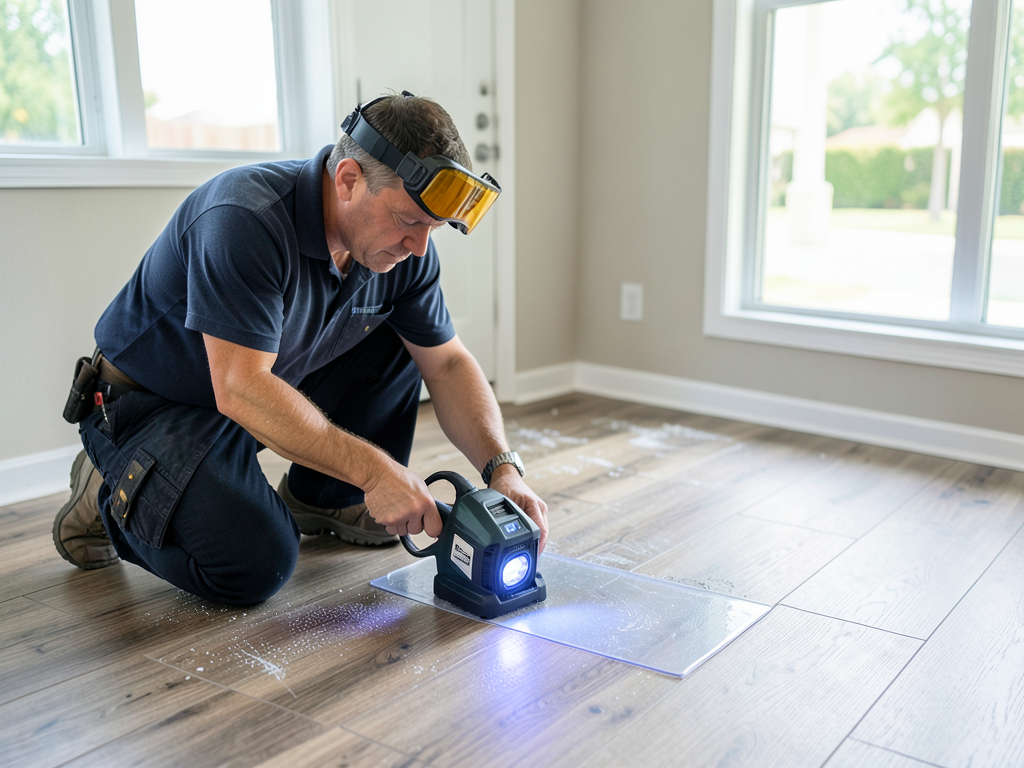
Moisture mapping with infrared cameras reveals hidden water pockets behind walls and beneath flooring. Thermal imaging identifies temperature differences that indicate moisture presence. These cameras detect water in concrete slabs before visible signs appear on the surface.
Professional-grade moisture meters provide quantitative data about water content in various materials. Non-penetrating meters measure moisture at the surface, while penetrating meters assess deeper material conditions. Technicians document readings to track drying progress and determine when materials reach safe moisture levels.
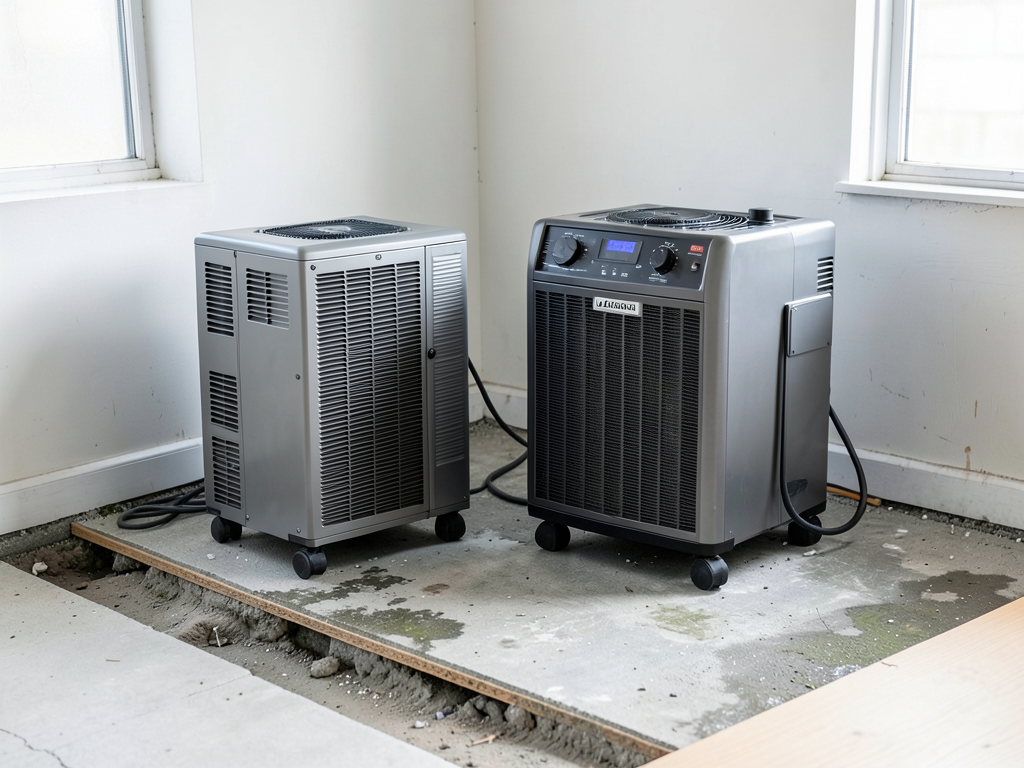
Dehumidification removes ambient moisture from the air and accelerates subfloor drying. Low-grain refrigerant dehumidifiers extract water vapor more efficiently than standard units, particularly important in Florida’s humid climate where outdoor air constantly introduces moisture.
Air movement equipment creates evaporation through controlled airflow patterns. Axial fans move large volumes of air across open areas, while centrifugal air movers direct concentrated airflow beneath cabinets and into wall cavities. Proper placement prevents stagnant moisture zones.
Antimicrobial treatments prevent mold growth on affected surfaces. EPA-registered antimicrobials inhibit fungal colonization on both porous and non-porous materials. Application timing matters because treatments work best when applied to damp but not saturated surfaces.
Structural drying continues until all materials reach predetermined moisture content targets. The process typically requires 3-5 days for clean water incidents, extending to 7-10 days for contaminated water situations requiring additional sanitization steps.
Hidden Dangers: Mold Growth Under LVP
Mold colonization begins within 24-48 hours of water exposure under optimal conditions. Orlando’s warm temperatures and high humidity create perfect environments for rapid fungal growth. Concrete slabs provide organic material from dust and debris that serves as mold food sources.
The vapor barrier effect of intact LVP planks traps moisture against subfloor materials. This creates a microclimate where humidity levels remain elevated even as ambient conditions improve. Mold spores germinate in these protected environments and spread through microscopic filaments called hyphae.
Black mold species like Stachybotrys chartarum thrive in cellulose-rich environments. While concrete lacks cellulose, wood subfloors provide ideal growth media. Mold growing beneath vinyl produces volatile organic compounds that create musty odors detectable before visible growth appears.
Health impacts from mold exposure include respiratory irritation, allergic reactions, and asthma exacerbation. Florida residents with pre-existing conditions face heightened risks from indoor mold growth. Children and elderly individuals experience more severe symptoms from mold spore exposure.
Professional mold remediation requires containment to prevent spore spread during removal. Negative air pressure systems with HEPA filtration capture airborne spores during demolition work. Technicians wear personal protective equipment to prevent exposure during contaminated material handling.
Post-remediation verification confirms successful treatment through air sampling and visual inspection. Clearance testing ensures mold levels return to normal background concentrations before reconstruction begins. Documentation proves remediation success for insurance purposes and future property sales.
Insurance Claims for LVP Water Damage
Florida homeowners insurance typically covers sudden and accidental water damage but excludes gradual leaks or flood damage. Understanding policy distinctions helps homeowners navigate claims successfully after LVP damage occurs.
Sudden pipe bursts, appliance malfunctions, or storm-driven rain through damaged roofs fall under standard coverage. However, damage from rising groundwater, storm surge, or hurricane flooding requires separate flood insurance through the National Flood Insurance Program.
Documentation proves essential for successful claims. Date-stamped photographs showing damage extent, moisture meter readings, and itemized restoration estimates support claim submissions. Video documentation of the damage scene provides additional evidence for adjusters.
Professional restoration companies work directly with insurance adjusters to streamline claims processing. Detailed scope documentation including material quantities, labor hours, and equipment usage justifies restoration costs. Itemized billing prevents coverage disputes over line-item charges.
Depreciation calculations affect claim settlements for older flooring materials. Insurance companies factor age, wear, and remaining useful life into damage valuations. Matching claims allow replacement of damaged areas with identical materials when exact matches remain available.
Additional living expenses coverage helps homeowners maintain normal life during restoration. Hotel stays, restaurant meals, and temporary housing costs receive reimbursement when homes become uninhabitable due to water damage. Policy limits and daily maximums apply to these benefits.
Preventing Future Water Damage in Lake Nona Homes
Proactive measures reduce water damage risks in Central Florida’s storm-prone environment. Regular plumbing inspections identify potential failure points before catastrophic leaks occur. Checking supply line connections, drain pipes, and appliance hoses prevents many common water damage scenarios.
Smart water sensors provide early leak detection throughout homes. These devices monitor moisture levels and sound alarms when abnormal conditions develop. Some systems automatically shut off water supply when leaks activate sensors, preventing extensive damage from undiscovered plumbing failures.
Proper grading around foundations directs water away from structures. Orlando’s flat terrain requires careful landscaping to prevent water pooling near building perimeters. French drains and sump pumps manage groundwater in areas with high water tables common to Central Florida.
Roof maintenance prevents water intrusion during Florida’s frequent thunderstorms. Regular inspections identify damaged shingles, deteriorated flashing, or clogged gutters that allow water penetration. Proper attic ventilation reduces condensation that damages roof structures from within.
Hurricane preparation includes securing outdoor items that could become projectiles during storms. Flying debris breaks windows and creates openings for wind-driven rain. Impact-resistant windows and reinforced garage doors provide additional protection against storm damage.
Emergency response planning ensures quick action when water damage occurs. Knowing main water shutoff locations, having restoration company contacts readily available, and understanding basic water extraction techniques minimize damage extent when incidents happen.
Professional vs. DIY Water Extraction
Homeowners often consider DIY water removal to save costs after minor flooding incidents. While shop vacuums and fans remove visible water, they cannot address hidden moisture in subfloor materials or prevent secondary damage.
Professional equipment extracts water from materials rather than just from surfaces. Truck-mounted extractors generate suction pressures up to 200 cubic feet per minute, removing water trapped deep within carpet padding, wood flooring, and concrete slabs.
Moisture meters provide objective data about remaining water content. DIY drying relies on visual inspection and touch, missing moisture pockets that continue causing damage. Professional readings track progress and confirm when materials reach safe drying targets.
Dehumidification capacity makes the difference between successful and failed drying attempts. Consumer-grade dehumidifiers remove 30-70 pints of water daily, while commercial units extract 150-300 pints. The capacity gap becomes critical in Florida’s humid climate where outdoor air constantly introduces moisture.
Antimicrobial treatments require professional application for maximum effectiveness. Proper dilution ratios, coverage patterns, and dwell times ensure treatments inhibit mold growth rather than providing false security. Incorrect application wastes product and provides inadequate protection.
Insurance coverage often requires professional restoration for claim approval. DIY attempts that fail to prevent secondary damage may result in claim denials or reduced settlements. Professional documentation proves proper mitigation procedures occurred.
When to Call Professionals Immediately
Certain water damage scenarios demand immediate professional response to prevent extensive property damage. Sewage backups, regardless of volume, require professional handling due to contamination risks and health hazards.
Standing water exceeding one inch in depth indicates significant water volume that requires professional extraction equipment. Water seeping through multiple rooms or affecting multiple levels signals system failures needing expert diagnosis.
Electrical hazards from water contacting outlets, switches, or appliances create immediate safety risks. Professional teams coordinate with electricians to ensure safe working conditions before beginning restoration work.
Structural concerns including sagging ceilings, buckling floors, or wall cracks indicate potential building integrity issues. These situations require assessment by qualified professionals before water removal begins to prevent collapse during restoration. What to Do When Your Ceiling Starts Leaking in Baldwin Park.
Time-sensitive materials like hardwood flooring, custom cabinetry, or irreplaceable documents need specialized drying techniques. Professional restorers employ specific methods for each material type to maximize salvage potential.
Insurance claim initiation works best when professionals document damage immediately. Adjusters often require professional assessments to determine coverage applicability and damage extent for claim processing.
Cost Factors in LVP Water Damage Restoration
Restoration costs vary based on damage extent, water classification, and required remediation steps. Clean water extraction from a single room typically costs less than contaminated water requiring demolition and disposal of affected materials.
Square footage directly impacts restoration costs through equipment needs and labor requirements. Larger affected areas require more extraction time, additional drying equipment, and extended monitoring periods to ensure complete moisture removal.
Material types influence restoration complexity and costs. Concrete slabs require different drying approaches than wood subfloors or raised foundations. Specialty materials like marble, exotic hardwoods, or custom tile work increase restoration complexity.
Accessibility affects labor costs and equipment needs. Water in finished basements, upstairs units, or confined spaces requires specialized equipment and additional labor to navigate challenging work environments.
Secondary damage like mold growth, structural deterioration, or content damage adds restoration costs. Early intervention prevents these complications, making initial professional response more cost-effective than addressing expanded damage later.
Insurance coverage and deductibles influence out-of-pocket costs for homeowners. Understanding policy terms helps homeowners make informed decisions about restoration approaches and contractor selection.
Frequently Asked Questions
How long can luxury vinyl plank flooring stay wet before damage becomes permanent?
Water exposure beyond 24-48 hours typically causes irreversible damage to LVP flooring. Moisture seeps beneath planks through click-lock joints, saturating subfloor materials and creating conditions for mold growth. Category 3 black water requires immediate removal within hours to prevent contamination spread.
Can I dry LVP flooring with fans and dehumidifiers instead of removing it?
Surface drying with fans and dehumidifiers cannot address moisture trapped beneath planks. Professional restoration requires plank removal to access and dry subfloor materials properly. Trapped moisture creates mold growth and material deterioration even when surface appears dry.
Does homeowners insurance cover water damaged LVP flooring?
Sudden and accidental water damage from plumbing failures or appliance malfunctions typically receives coverage under standard policies. Gradual leaks, flood damage, and lack of maintenance fall under exclusions. Professional documentation supports successful claim submissions.
How can I tell if mold is growing under my vinyl flooring?
Musty odors, increased allergy symptoms, and visible moisture stains indicate potential mold growth beneath flooring. Professional moisture testing and air sampling confirm mold presence. Visual inspection cannot detect mold growing under intact flooring surfaces.
What makes Lake Nona’s climate particularly challenging for water damage restoration?
Orlando’s high humidity levels averaging 74% and frequent thunderstorms create conditions where moisture persists in building materials. Concrete slabs absorb water readily, and the warm temperatures accelerate mold growth. Professional-grade equipment becomes essential for effective restoration in these conditions.
- Stop the Water Source
Immediately shut off water supply to prevent additional flooding. For plumbing failures, locate and close the main shutoff valve. For storm-related flooding, use sandbags or barriers to prevent additional water entry.
- Document the Damage
Take date-stamped photographs of all affected areas before beginning any cleanup. Document water levels, affected materials, and visible damage. This documentation supports insurance claims and helps restoration professionals assess damage extent.
- Remove Standing Water
Use wet vacuums or mops to remove visible standing water. For larger volumes, professional extraction equipment removes water more effectively. Remove area rugs and movable items from affected spaces to prevent additional damage.
- Increase Air Circulation
Open windows and doors if weather permits to improve ventilation. Position fans to direct airflow across wet surfaces. Avoid using HVAC systems that might spread moisture or contaminants through ductwork.
- Call Professional Restoration
Contact certified water damage restoration professionals immediately. Professional assessment determines damage extent, identifies hidden moisture, and prevents secondary damage like mold growth. Quick professional response increases salvage potential.
Conclusion
Water damage to luxury vinyl plank flooring in Lake Nona homes requires immediate professional attention due to the area’s unique climate challenges. The combination of high humidity, frequent storms, and concrete slab construction creates conditions where trapped moisture leads to mold growth and material deterioration within 48 hours of water exposure.
Professional restoration services provide the equipment, expertise, and systematic approach necessary to properly dry affected areas and prevent secondary damage. From emergency water extraction through final moisture verification, certified technicians ensure your home returns to safe, healthy conditions. For more information, visit FEMA Flood Insurance Information.
You may also find this helpful. Fixing a Flooded Home Gym and Saving Your Rubber Flooring in Zellwood.
Don’t let water damage compromise your home’s value and your family’s health. Call Reliance Water Damage Restoration Orlando at (689) 268-2233 for 24/7 emergency response. Our certified technicians serve Lake Nona and surrounding Central Florida communities with the expertise needed to properly handle water damaged LVP flooring and prevent costly secondary damage.
{
“@context”: “https://schema.org”,
“@type”: “BlogPosting”,
“headline”: “What Happens to Your Luxury Vinyl Plank Flooring After a Flood in Lake Nona”,
“description”: “Learn how luxury vinyl plank flooring reacts to water damage in Orlando’s humid climate and whether it can be saved after a flood in Lake Nona.”,
“wordCount”: 2676,
“datePublished”: “2026-05-23T10:38:00.000Z”,
“dateModified”: “2026-05-23T10:38:00.000Z”,
“inLanguage”: “en-US”,
“mainEntityOfPage”: {
“@type”: “WebPage”,
“@id”: “https://reliancewaterdamagerestorationorlando.com”
},
“publisher”: {
“@type”: “LocalBusiness”,
“name”: “Reliance Water Damage Restoration Orlando”,
“url”: “https://reliancewaterdamagerestorationorlando.com”
},
“author”: {
“@type”: “Organization”,
“name”: “Reliance Water Damage Restoration Orlando”,
“url”: “https://reliancewaterdamagerestorationorlando.com”
},
“image”: {
“@type”: “ImageObject”,
“url”: “https://reliancewaterdamagerestorationorlando.com/wp-content/uploads/2026/03/what-happens-to-your-luxury-vinyl-plank-flooring-a-1.png”
}
}
{
“@context”: “https://schema.org”,
“@type”: “LocalBusiness”,
“name”: “Reliance Water Damage Restoration Orlando”,
“url”: “https://reliancewaterdamagerestorationorlando.com”,
“address”: {
“@type”: “PostalAddress”,
“addressLocality”: “Orlando”
},
“areaServed”: {
“@type”: “City”,
“name”: “Orlando”
}
}
{
“@context”: “https://schema.org”,
“@type”: “FAQPage”,
“mainEntity”: [
{
“@type”: “Question”,
“name”: “Can Water Damaged LVP Be Saved?”,
“acceptedAnswer”: {
“@type”: “Answer”,
“text”: “The answer depends on water classification, exposure duration, and subfloor material. Clean water from a broken pipe that gets extracted within 24 hours offers the best chance for successful restoration.”
}
},
{
“@type”: “Question”,
“name”: “How long can luxury vinyl plank flooring stay wet before damage becomes permanent?”,
“acceptedAnswer”: {
“@type”: “Answer”,
“text”: “Water exposure beyond 24-48 hours typically causes irreversible damage to LVP flooring. Moisture seeps beneath planks through click-lock joints, saturating subfloor materials and creating conditions for mold growth. Category 3 black water requires immediate removal within hours to prevent contamination spread.”
}
},
{
“@type”: “Question”,
“name”: “Can I dry LVP flooring with fans and dehumidifiers instead of removing it?”,
“acceptedAnswer”: {
“@type”: “Answer”,
“text”: “Surface drying with fans and dehumidifiers cannot address moisture trapped beneath planks. Professional restoration requires plank removal to access and dry subfloor materials properly. Trapped moisture creates mold growth and material deterioration even when surface appears dry.”
}
},
{
“@type”: “Question”,
“name”: “Does homeowners insurance cover water damaged LVP flooring?”,
“acceptedAnswer”: {
“@type”: “Answer”,
“text”: “Sudden and accidental water damage from plumbing failures or appliance malfunctions typically receives coverage under standard policies. Gradual leaks, flood damage, and lack of maintenance fall under exclusions. Professional documentation supports successful claim submissions.”
}
},
{
“@type”: “Question”,
“name”: “How can I tell if mold is growing under my vinyl flooring?”,
“acceptedAnswer”: {
“@type”: “Answer”,
“text”: “Musty odors, increased allergy symptoms, and visible moisture stains indicate potential mold growth beneath flooring. Professional moisture testing and air sampling confirm mold presence. Visual inspection cannot detect mold growing under intact flooring surfaces.”
}
},
{
“@type”: “Question”,
“name”: “What makes Lake Nona’s climate particularly challenging for water damage restoration?”,
“acceptedAnswer”: {
“@type”: “Answer”,
“text”: “Orlando’s high humidity levels averaging 74% and frequent thunderstorms create conditions where moisture persists in building materials. Concrete slabs absorb water readily, and the warm temperatures accelerate mold growth. Professional-grade equipment becomes essential for effective restoration in these conditions.”
}
}
]
}
{
“@context”: “https://schema.org”,
“@type”: “HowTo”,
“name”: “How to Handle Water Damaged LVP Flooring”,
“step”: [
{
“@type”: “HowToStep”,
“position”: 1,
“name”: “Stop the Water Source”,
“text”: “Immediately shut off water supply to prevent additional flooding. For plumbing failures, locate and close the main shutoff valve. For storm-related flooding, use sandbags or barriers to prevent additional water entry.”
},
{
“@type”: “HowToStep”,
“position”: 2,
“name”: “Document the Damage”,
“text”: “Take date-stamped photographs of all affected areas before beginning any cleanup. Document water levels, affected materials, and visible damage. This documentation supports insurance claims and helps restoration professionals assess damage extent.”
},
{
“@type”: “HowToStep”,
“position”: 3,
“name”: “Remove Standing Water”,
“text”: “Use wet vacuums or mops to remove visible standing water. For larger volumes, professional extraction equipment removes water more effectively. Remove area rugs and movable items from affected spaces to prevent additional damage.”
},
{
“@type”: “HowToStep”,
“position”: 4,
“name”: “Increase Air Circulation”,
“text”: “Open windows and doors if weather permits to improve ventilation. Position fans to direct airflow across wet surfaces. Avoid using HVAC systems that might spread moisture or contaminants through ductwork.”
},
{
“@type”: “HowToStep”,
“position”: 5,
“name”: “Call Professional Restoration”,
“text”: “Contact certified water damage restoration professionals immediately. Professional assessment determines damage extent, identifies hidden moisture, and prevents secondary damage like mold growth. Quick professional response increases salvage potential.”
}
],
“image”: “https://reliancewaterdamagerestorationorlando.com/wp-content/uploads/2026/03/what-happens-to-your-luxury-vinyl-plank-flooring-a-1.png”
}
{
“@context”: “https://schema.org”,
“@type”: “BreadcrumbList”,
“itemListElement”: [
{
“@type”: “ListItem”,
“position”: 1,
“name”: “Home”,
“item”: “https://reliancewaterdamagerestorationorlando.com”
},
{
“@type”: “ListItem”,
“position”: 2,
“name”: “Blog”,
“item”: “https://reliancewaterdamagerestorationorlando.com/blog”
},
{
“@type”: “ListItem”,
“position”: 3,
“name”: “What Happens to Your Luxury Vinyl Plank Flooring After a Flood in Lake Nona”
}
]
}
{
“@context”: “https://schema.org”,
“@type”: “Service”,
“serviceType”: “Water Damage Restoration”,
“provider”: {
“@type”: “LocalBusiness”,
“name”: “Reliance Water Damage Restoration Orlando”,
“url”: “https://reliancewaterdamagerestorationorlando.com”
},
“areaServed”: {
“@type”: “City”,
“name”: “Orlando”
},
“description”: “Learn how luxury vinyl plank flooring reacts to water damage in Orlando’s humid climate and whether it can be saved after a flood in Lake Nona.”
}