What To Do When Your Septic Tank Backs Up After Heavy Rain in Chuluota
Heavy rain in Chuluota can quickly overwhelm septic systems causing backups inside homes and across yards. When sewage starts surfacing or drains slow to a crawl the clock starts ticking on preventing serious property damage and health hazards. This guide walks you through the immediate actions to take the warning signs to watch for and when to call in professional restoration services before the situation spirals out of control. Professional Mold Removal and Remediation Services in Lake Nona.
Why Septic Systems Fail During Heavy Rain
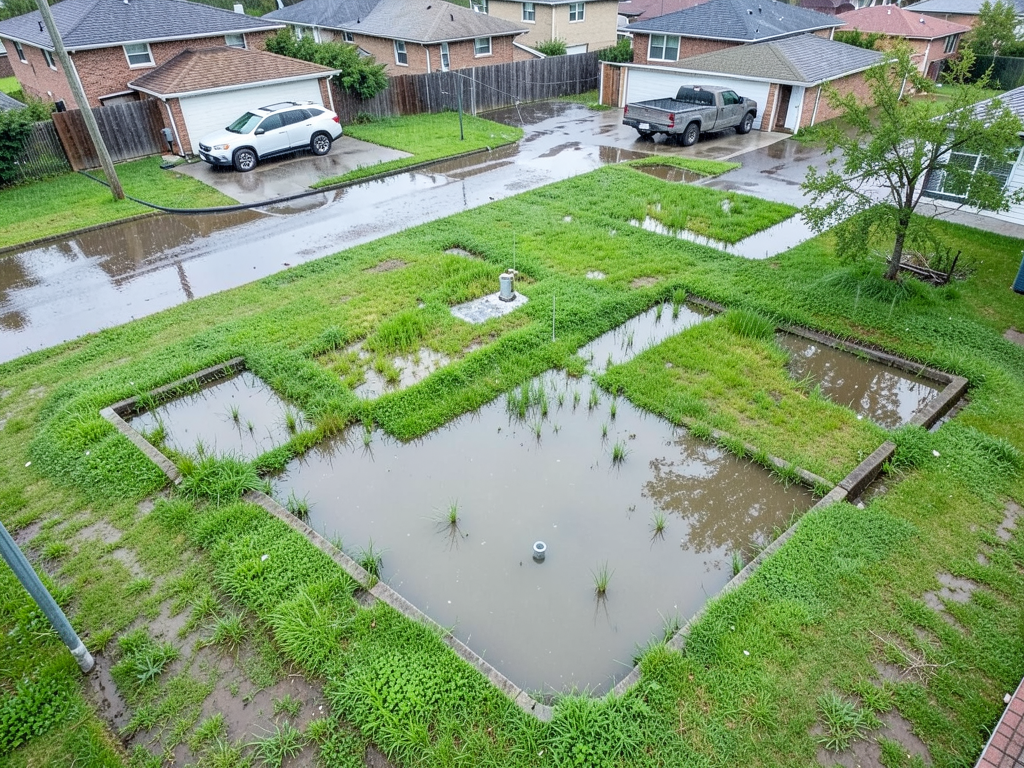
Orlando’s subtropical climate means intense afternoon thunderstorms and hurricane-driven deluges that can dump several inches of rain in hours. In Chuluota’s rural setting many homes rely on septic tanks and drain fields rather than city sewer connections. When the ground becomes saturated the drain field loses its ability to absorb effluent. Water from the saturated soil pushes back into the tank creating hydrostatic pressure that forces sewage upward through toilets sinks and floor drains. The Best Way to Handle Sewage Backup Cleanup in College Park.
Common failure points include:
- Drain field saturation when rainfall exceeds the soil’s absorption rate
- Hydraulic overload from excessive water use during storms
- Flooded tanks when the tank’s outlet becomes submerged
- Clogged pipes from debris or root intrusion worsened by shifting wet soil
Understanding these mechanics helps you respond faster and avoid costly mistakes.. Read more about Understanding the Link Between Standing Water and Pest Infestations in Wedgefield.
Warning Signs Your Septic Tank Is Backing Up
Recognizing early symptoms can prevent a small problem from becoming a hazardous mess. Watch for these red flags:
- Gurgling sounds in plumbing fixtures especially after flushing or running water
- Slow drains throughout the house not isolated to one fixture
- Foul sewage odors inside the home or around the drain field area
- Standing water or soggy soil over the drain field even days after rain stops
- Greener lusher grass above the drain field due to excess nutrients
- Toilets that won’t flush properly or back up with raw sewage
If you notice any of these signs stop using water immediately and assess the situation. Emergency Water Damage Restoration for Windermere Homeowners.
Immediate Actions To Take When Backup Occurs
Quick action can limit damage and protect your family’s health. Follow these steps as soon as you suspect a backup: Water Damage Restoration Saint Cloud.
- Stop all water use – Do not flush toilets run sinks or use appliances. Every gallon added to the system worsens the backup.
- Keep children and pets away – Sewage contains harmful bacteria and parasites. Treat any standing water as contaminated.
- Turn off electricity near flooded areas – If water is near electrical outlets or appliances shut off power at the breaker to prevent shock.
- Document the damage – Take photos and videos for insurance purposes before cleaning anything.
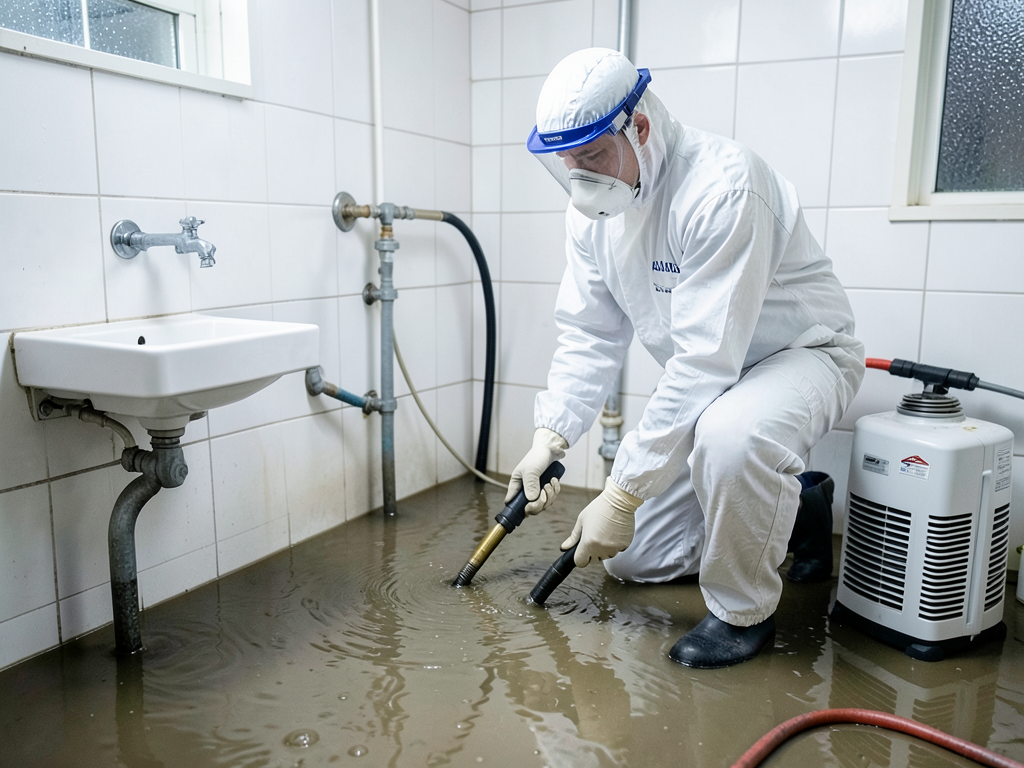
- Call a professional restoration service – Do not attempt deep cleaning or water extraction yourself. Sewage is classified as Category 3 black water requiring specialized equipment and antimicrobial treatment.
Avoid using chemical drain cleaners. They can damage pipes and create toxic fumes when mixed with sewage.. Read more about Understanding Water Damage Categories (White, Gray, and Black Water Explained).
Orlando-Specific Environmental Factors
Chuluota sits in eastern Orange County where the water table can be just a few feet below the surface. The region’s sandy soil drains quickly when dry but becomes impermeable when fully saturated. During Florida’s rainy season from June through September the ground rarely has time to dry out between storms creating ideal conditions for septic failure. Water Bug & Pest Infestations.
Local building codes require minimum setbacks between drain fields and water sources but heavy rainfall can still push systems past their design limits. Homes in nearby areas like Oviedo and Winter Springs face similar challenges due to comparable soil types and rainfall patterns.. Read more about Why Your Reusable Building Materials Might Need to be Replaced After a Flood.
The Florida Department of Health maintains strict guidelines for septic system design and maintenance. Systems installed before modern codes may be more vulnerable to saturation and backups. EPA septic system guidelines.
Professional Restoration vs. Plumbing Services
Many homeowners assume a plumber can handle a septic backup but there’s a critical difference. Plumbers can unclog pipes and pump tanks but restoration professionals address the aftermath inside your home. When sewage enters living spaces it creates a biohazard requiring:
- Water extraction using industrial-grade pumps and vacuums
- Antimicrobial and disinfectant application to kill pathogens
- Structural drying with commercial air movers and dehumidifiers
- Odor removal using specialized equipment
- Content cleaning or disposal of contaminated materials
- Mold growth within 24-48 hours in humid conditions
- Structural damage to flooring drywall and cabinetry
- Pest infestations attracted to moisture and organic waste
- Long-term property value reduction if damage isn’t properly remediated
- Water extraction and structural drying
- Removal and replacement of damaged materials
- Professional cleaning and sanitization
- Temporary housing if your home becomes uninhabitable
- Schedule regular pumping every 3-5 years depending on household size
- Fix plumbing leaks promptly to reduce unnecessary water flow
- Install water-efficient fixtures to minimize load
- Divert rainwater from roofs and downspouts away from the drain field
- Avoid planting trees near the drain field where roots can infiltrate pipes
- Consider a septic tank alarm system that warns of high water levels
- Raw sewage is visible inside your home
- Multiple drains are backing up simultaneously
- You smell strong sewage odors that persist
- Standing water covers a large area of your property
- You have health concerns about contamination
Restoration experts follow IICRC S500 standards for water damage ensuring thorough cleanup that prevents mold growth in Orlando’s humid climate.
Health Risks of Sewage Exposure
Category 3 water contains dangerous microorganisms including E. coli, Salmonella, and parasites like Giardia. Direct contact can cause serious illness especially in children elderly or immunocompromised individuals.
Secondary risks include:
Professional remediation eliminates these risks through proper containment and disposal procedures.
Insurance Coverage for Septic Backups
Standard homeowners insurance typically excludes sewer and septic backups. You need a specific endorsement or rider to cover this type of damage. Coverage usually includes:
Review your policy now before disaster strikes. Many policies have waiting periods before coverage takes effect.
Preventing Future Septic Backups
While you can’t control the weather you can reduce your system’s vulnerability:
During heavy rain events reduce household water use as much as possible.. Read more about Keeping Your Pets Safe During a Massive Water Damage Cleanup Project.
When To Call For Emergency Help
Contact professional restoration services immediately if:
Emergency services operate 24/7 because sewage damage doesn’t wait for business hours.
Frequently Asked Questions
How long does septic backup cleanup take?
Most residential cleanups require 2-5 days depending on the extent of contamination and drying requirements. Category 3 water damage requires thorough sanitization which takes time.
Can I clean up sewage myself?
No. DIY cleanup of sewage exposes you to serious health risks and often fails to eliminate all contaminants. Professional equipment and antimicrobial treatments are necessary for safe remediation.
Will my septic tank need pumping after a backup?
Possibly. If the tank was overwhelmed it may need pumping to restore normal function. A professional can assess whether pumping alone solves the problem or if drain field repairs are needed.
How much does septic backup restoration cost?
Costs vary widely based on damage extent but typically range from $2,000 to $10,000 for complete cleanup and repairs. Insurance may cover part or all of these costs with proper documentation.
What should I do while waiting for help?
Keep everyone away from contaminated areas. If safe to do so move valuables to unaffected rooms. Take photos for insurance. Do not attempt to clean or dry the area yourself.
Take Action Now To Protect Your Home
Septic tank backups after heavy rain in Chuluota require immediate professional attention to prevent extensive damage and health hazards. Every hour of delay increases repair costs and contamination risks.
If you’re experiencing sewage backup right now stop using water immediately and call Reliance Water Damage Restoration Orlando at (689) 268-2233. Our certified technicians provide 24/7 emergency response throughout Chuluota and surrounding areas. We’ll arrive quickly assess the damage and begin professional cleanup to restore your home’s safety and comfort.
Don’t wait until a small backup becomes a major disaster. Call now for fast professional help you can trust. For more information, visit CDC sewage backup safety factsheet.
{
“@context”: “https://schema.org”,
“@type”: “BlogPosting”,
“headline”: “What To Do When Your Septic Tank Backs Up After Heavy Rain in Chuluota”,
“description”: “Septic tank backup after heavy rain in Chuluota? Learn immediate steps to take, health risks to avoid, and when to call emergency restoration pros. 24/7 service available.”,
“wordCount”: 1349,
“datePublished”: “2026-05-12T05:58:00.000Z”,
“dateModified”: “2026-05-12T05:58:00.000Z”,
“inLanguage”: “en-US”,
“mainEntityOfPage”: {
“@type”: “WebPage”,
“@id”: “https://reliancewaterdamagerestorationorlando.com”
},
“publisher”: {
“@type”: “LocalBusiness”,
“name”: “Reliance Water Damage Restoration Orlando”,
“url”: “https://reliancewaterdamagerestorationorlando.com”
},
“author”: {
“@type”: “Organization”,
“name”: “Reliance Water Damage Restoration Orlando”,
“url”: “https://reliancewaterdamagerestorationorlando.com”
},
“image”: {
“@type”: “ImageObject”,
“url”: “https://reliancewaterdamagerestorationorlando.com/wp-content/uploads/2026/03/what-to-do-when-your-septic-tank-backs-up-after-he-1.png”
}
}
{
“@context”: “https://schema.org”,
“@type”: “LocalBusiness”,
“name”: “Reliance Water Damage Restoration Orlando”,
“url”: “https://reliancewaterdamagerestorationorlando.com”,
“address”: {
“@type”: “PostalAddress”,
“addressLocality”: “Orlando”
},
“areaServed”: {
“@type”: “City”,
“name”: “Orlando”
}
}
{
“@context”: “https://schema.org”,
“@type”: “FAQPage”,
“mainEntity”: [
{
“@type”: “Question”,
“name”: “How long does septic backup cleanup take?”,
“acceptedAnswer”: {
“@type”: “Answer”,
“text”: “Most residential cleanups require 2-5 days depending on the extent of contamination and drying requirements. Category 3 water damage requires thorough sanitization which takes time.”
}
},
{
“@type”: “Question”,
“name”: “Can I clean up sewage myself?”,
“acceptedAnswer”: {
“@type”: “Answer”,
“text”: “No. DIY cleanup of sewage exposes you to serious health risks and often fails to eliminate all contaminants. Professional equipment and antimicrobial treatments are necessary for safe remediation.”
}
},
{
“@type”: “Question”,
“name”: “Will my septic tank need pumping after a backup?”,
“acceptedAnswer”: {
“@type”: “Answer”,
“text”: “Possibly. If the tank was overwhelmed it may need pumping to restore normal function. A professional can assess whether pumping alone solves the problem or if drain field repairs are needed.”
}
},
{
“@type”: “Question”,
“name”: “How much does septic backup restoration cost?”,
“acceptedAnswer”: {
“@type”: “Answer”,
“text”: “Costs vary widely based on damage extent but typically range from $2,000 to $10,000 for complete cleanup and repairs. Insurance may cover part or all of these costs with proper documentation.”
}
},
{
“@type”: “Question”,
“name”: “What should I do while waiting for help?”,
“acceptedAnswer”: {
“@type”: “Answer”,
“text”: “Keep everyone away from contaminated areas. If safe to do so move valuables to unaffected rooms. Take photos for insurance. Do not attempt to clean or dry the area yourself.”
}
}
]
}
{
“@context”: “https://schema.org”,
“@type”: “BreadcrumbList”,
“itemListElement”: [
{
“@type”: “ListItem”,
“position”: 1,
“name”: “Home”,
“item”: “https://reliancewaterdamagerestorationorlando.com”
},
{
“@type”: “ListItem”,
“position”: 2,
“name”: “Blog”,
“item”: “https://reliancewaterdamagerestorationorlando.com/blog”
},
{
“@type”: “ListItem”,
“position”: 3,
“name”: “What To Do When Your Septic Tank Backs Up After Heavy Rain in Chuluota”
}
]
}
{
“@context”: “https://schema.org”,
“@type”: “Service”,
“serviceType”: “Water Damage Restoration”,
“provider”: {
“@type”: “LocalBusiness”,
“name”: “Reliance Water Damage Restoration Orlando”,
“url”: “https://reliancewaterdamagerestorationorlando.com”
},
“areaServed”: {
“@type”: “City”,
“name”: “Orlando”
},
“description”: “Septic tank backup after heavy rain in Chuluota? Learn immediate steps to take, health risks to avoid, and when to call emergency restoration pros. 24/7 service available.”
}