Which of Your Possessions Can Actually Be Saved After a Sewage Backup in College Park?
Finding sewage backing up into your College Park home is a nightmare. The immediate panic about health risks and ruined possessions can be overwhelming. The good news is that not everything is automatically a total loss. By understanding the difference between porous and non-porous materials and acting quickly, you can salvage many of your belongings. The Best Way to Handle Sewage Backup Cleanup in College Park.
Orlando’s subtropical climate adds urgency to sewage cleanup. Our high humidity accelerates mold growth in contaminated materials, making the first 24 hours critical for saving what you can. This guide walks you through exactly what to keep, what to toss, and when you need professional help. Professional Mold Removal and Remediation Services in Lake Nona.
Immediate Safety Precautions
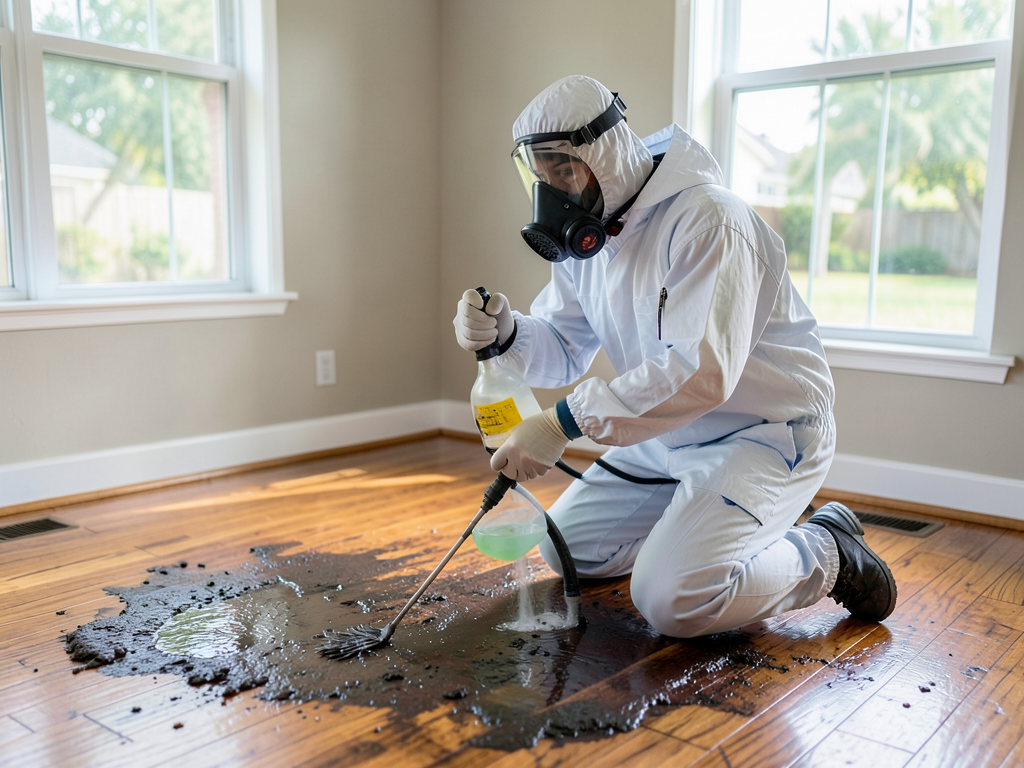
Before touching anything, protect yourself. Sewage contains Category 3 water, also called black water, which carries harmful bacteria, viruses, and parasites. Never enter the affected area without proper protection. Emergency Water Damage Restoration for Windermere Homeowners.
Wear disposable gloves, rubber boots, and an N95 respirator mask. Turn off your HVAC system to prevent spreading airborne contaminants throughout your home. Open windows for ventilation but avoid using fans that might aerosolize sewage particles.
Keep children and pets away from the contaminated area. Wash your hands thoroughly with soap and clean water after any contact with sewage or contaminated items. Water Bug & Pest Infestations.
The Golden Rule: Porous vs. Non-Porous Materials
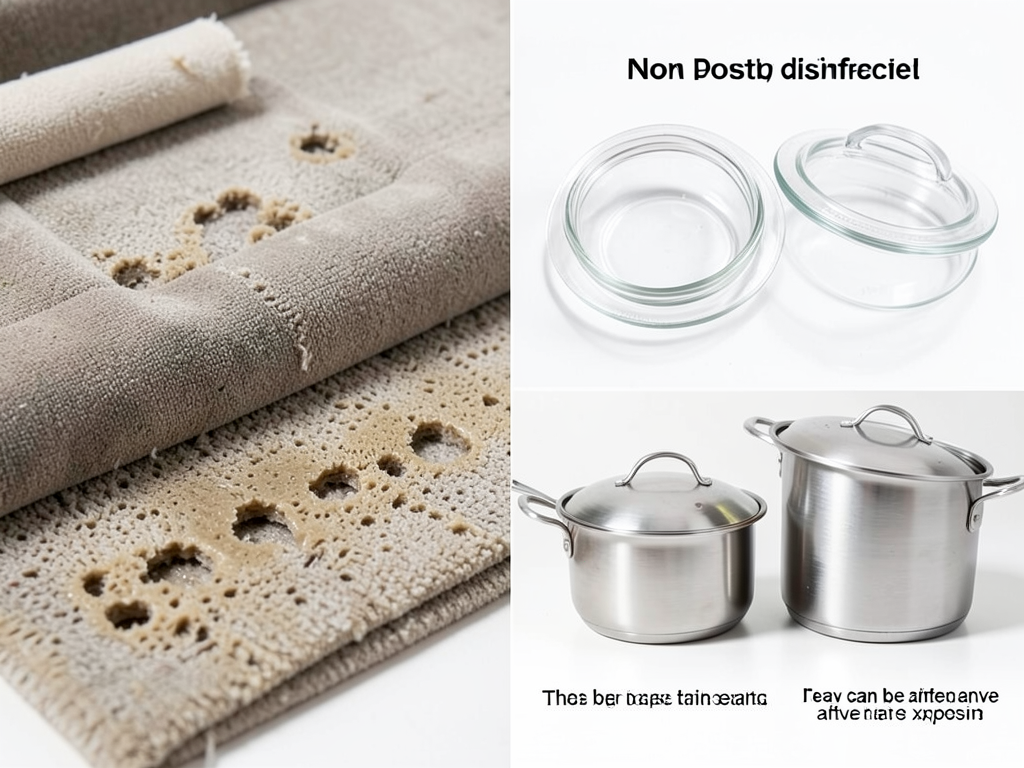
The key to deciding what to save is understanding porosity. Porous materials absorb liquids and trap contaminants deep within their structure. Non-porous materials resist absorption, allowing contaminants to remain on the surface where they can be cleaned and disinfected.. Read more about Understanding the Link Between Standing Water and Pest Infestations in Wedgefield.
Category 3 water contamination means any porous item that contacted sewage should be discarded. The bacteria and viruses penetrate too deeply for complete cleaning. Non-porous items can often be saved with proper disinfection.. Read more about Understanding Water Damage Categories (White, Gray, and Black Water Explained).
Time matters significantly. The longer sewage sits on any material, the more it penetrates even semi-porous surfaces. Act within the first few hours for the best chance of saving items.
Items You Must Throw Away (No Exceptions)
Some items pose too great a health risk to keep after sewage exposure. These must go in sealed plastic bags for proper disposal.. Read more about What To Do When Your Septic Tank Backs Up After Heavy Rain in Chuluota.
- Mattresses and box springs – absorb contaminants deep into foam and fabric
- Upholstered furniture – sewage penetrates cushions and fabric beyond cleaning reach
- Area rugs and carpeting – fibers trap bacteria and cannot be fully disinfected
- Cardboard boxes and paper products – absorb moisture and contaminants
- Food and beverages – even sealed containers may have been compromised
- Baby toys and items that go in mouths – pose severe health risks to children
- Linens and towels – absorb sewage and cannot be safely cleaned
- Electronics with water damage – internal components may harbor contaminants
Document these items with photos before disposal for insurance claims. Create a detailed inventory including purchase dates and approximate values when possible.
What Can Usually Be Saved
Many items can be salvaged with proper cleaning and disinfection. The key is acting quickly and using the right cleaning methods.
Glass Items
Glass is completely non-porous. Wash glass dishes, vases, and decorative items in hot water with dish soap. Follow with a disinfecting solution of one cup bleach per gallon of water. Rinse thoroughly and air dry.
Metal Objects
Stainless steel, aluminum, and other metals can be saved. Clean with hot soapy water, then disinfect with bleach solution. Dry completely to prevent rust. Items with intricate designs may need professional cleaning to reach all crevices.
Hard Plastics
Dishwasher-safe plastics can be washed on the sanitize cycle. Other hard plastics should be washed in hot soapy water, disinfected, and rinsed. Avoid keeping any plastics with deep scratches where contaminants might hide.
Solid Wood Furniture
Finished solid wood can often be saved if cleaned within 24 hours. Wash with mild soap and water, then disinfect. Remove drawers and hardware for separate cleaning. Professional restoration may be needed for valuable antiques.
Concrete and Tile
Non-porous flooring like sealed concrete and ceramic tile can be cleaned and disinfected. Use a stiff brush and disinfectant solution. Seal grout lines after cleaning to prevent future contamination. Hardwood Floor Water Damage Restoration in Winter Garden.
The Orlando Factor: Humidity and Mold Risks
Orlando’s average humidity of 74% creates unique challenges after sewage backup. Mold can begin growing within 24-48 hours in our warm, moist climate. This means timing becomes even more critical here than in drier regions.. Read more about How to Test Your Indoor Air Quality After a Professional Mold Remediation Project.
Professional-grade dehumidifiers can remove gallons of moisture daily, preventing mold growth in salvaged items. Industrial air movers circulate air to speed drying. Without this equipment, even cleaned items may develop mold within days.
Consider this: a sofa that might survive sewage exposure in Arizona could grow dangerous mold colonies in Orlando within 48 hours. The same principle applies to drywall, insulation, and other building materials.
Local building codes in College Park and surrounding Orlando neighborhoods often require specific moisture barriers and ventilation systems. These features help prevent backups but also affect how quickly materials dry after contamination.
Documenting Losses for Insurance Claims
Florida homeowners insurance typically covers sudden and accidental sewage backups, but documentation is crucial. Take clear photos of all damaged items before removal. Create a room-by-room inventory with descriptions and approximate values.
Keep samples of damaged materials when possible. A piece of contaminated carpet or a section of drywall can help your insurance adjuster assess the extent of damage. Store these samples in sealed bags away from living areas.
Most Orlando-area policies have specific limits for sewage backup coverage. Review your policy or contact your agent to understand your coverage before disaster strikes. Some homeowners add sewage backup riders for additional protection.
Professional vs. DIY Assessment
Small spills confined to tile floors might be manageable as a DIY project. However, several situations require professional restoration services.
Call professionals if the affected area exceeds 10 square feet, if sewage came from a main sewer line, or if you notice water in multiple rooms. Professional assessment is also wise for valuable items or when dealing with older homes that might contain lead paint or asbestos.. Read more about Dealing with the Stress and Anxiety of a Flooded House (A Guide for Orlando Families).
Professional restorers use moisture meters to detect hidden contamination in walls and subfloors. They also have access to commercial disinfectants and equipment that homeowners cannot rent locally.
Look for IICRC certification when choosing a restoration company. This certification ensures technicians follow industry standards for Category 3 water damage restoration. IICRC S500 Standard for water damage restoration.
Saving Heirloom Items
Some items have irreplaceable sentimental value. Professional restoration specialists can often save family heirlooms that homeowners would discard.
Antique wooden furniture can be stripped, disinfected, and refinished. Professional textile restorers can clean and disinfect valuable fabrics and clothing. Document restoration costs carefully, as insurance may cover these specialized services.
Consider climate-controlled storage for salvaged heirlooms during the restoration process. Orlando’s humidity can continue affecting items even after initial cleaning.
Food Safety and Kitchen Items
Food safety after sewage backup requires extreme caution. Discard all perishable foods that touched contaminated water. This includes items in the refrigerator if water reached that level.
Sealed canned goods can be saved if the cans are not damaged. Remove labels, wash cans in hot soapy water, disinfect, and relabel with a permanent marker. Discard any cans that are dented, rusted, or bulging.
Kitchen utensils and dishes can be saved through thorough cleaning and disinfection. Run them through a dishwasher sanitize cycle when possible. Discard wooden cutting boards, utensils, and other porous kitchen items.
Health Symptoms to Watch For
Exposure to Category 3 water can cause various health issues. Watch for gastrointestinal symptoms like nausea, vomiting, or diarrhea within 48 hours of exposure. Skin infections may develop around cuts or scrapes that contacted sewage.. Read more about Can Tree Roots Actually Cause a Pipe Burst Under Your Oak Ridge Driveway.
Respiratory issues can occur from mold growth in salvaged items. Watch for persistent coughing, wheezing, or allergy-like symptoms that worsen indoors. These may indicate hidden mold in cleaned items.
If you experience any concerning symptoms after sewage exposure, contact your healthcare provider immediately. Certain pathogens in sewage can cause serious illness requiring prompt treatment.
Orlando-Specific Disposal Regulations
Orange County has specific requirements for disposing of sewage-contaminated materials. Do not place contaminated items in regular trash collection. Contact the county’s solid waste department for guidance on proper disposal methods.
Many items must go to designated waste facilities rather than curbside pickup. Professional restoration companies handle proper disposal as part of their service, including providing documentation for your records.
Never dump contaminated water into storm drains or onto the ground. This can spread contamination and violate environmental regulations. Professional extractors pump contaminated water into appropriate disposal systems.. Read more about The Environmental Impact of Improper Water Damage Disposal in the Orlando Area.
Preventing Future Backups
After handling one sewage backup, preventing future incidents becomes a priority. Consider installing a backwater valve if you live in an older College Park home. These devices prevent sewage from flowing back into your home during heavy rains or main line blockages.
Regular plumbing maintenance helps prevent backups. Have your main sewer line inspected every few years, especially if your home is over 20 years old. Tree roots commonly invade older clay pipes in Orlando’s established neighborhoods.
Know where your main water shutoff valve is located. Quick action can minimize damage if a backup occurs again. Consider installing water sensors near plumbing fixtures for early leak detection.
When to Call Reliance Water Damage Restoration Orlando
Professional help makes the difference between partial recovery and total loss. Call (689) 268-2233 when you need expert sewage backup cleanup in College Park or anywhere in the Orlando area.
Our team arrives within 60 minutes with industrial equipment and IICRC-certified technicians. We assess damage, create a restoration plan, and begin cleanup immediately. We also document everything for your insurance claim.
Don’t risk your health or waste time on items that cannot be saved. Professional assessment prevents you from keeping contaminated items that could make your family sick later. We serve College Park, Winter Park, Maitland, and all Orlando neighborhoods with 24/7 emergency service.
The longer you wait after a sewage backup, the more items become unsalvageable. High Orlando humidity accelerates mold growth in contaminated materials. Call us at the first sign of sewage backup for the best chance of saving your possessions.
Frequently Asked Questions
How long do I have to save items after sewage backup?
Act within 24-48 hours for the best chance of saving non-porous items. Orlando’s humidity means mold can begin growing in contaminated materials within 48 hours, making items unsalvageable even with cleaning.
Can I clean sewage myself if I wear protective gear?
Small spills on non-porous surfaces might be manageable with proper PPE. However, Category 3 water requires professional-grade disinfectants and equipment. The health risks and potential for incomplete cleaning make professional service the safer choice for most situations.
Will my homeowners insurance cover sewage backup damage?
Most standard policies cover sudden and accidental sewage backups, but coverage varies. Many Orlando policies have specific limits for sewage damage. Review your policy or contact your agent to understand your coverage before disaster strikes.
How can I tell if an item is truly clean after sewage exposure?
Without professional testing, you cannot be certain. Items may look and smell clean but still harbor harmful bacteria. Professional restorers use ATP testing and moisture meters to verify cleaning effectiveness and ensure items are safe to keep. For more information, visit CDC guidelines for sewage backup safety.
{
“@context”: “https://schema.org”,
“@type”: “BlogPosting”,
“headline”: “Which of Your Possessions Can Actually Be Saved After a Sewage Backup in College Park?”,
“description”: “Discover which items survive sewage backup in College Park homes. Learn the porous vs. non-porous rule and when to call Orlando’s sewage cleanup experts at (689) 268-2233.”,
“wordCount”: 1902,
“datePublished”: “2026-06-04T14:21:00.000Z”,
“dateModified”: “2026-06-04T14:21:00.000Z”,
“inLanguage”: “en-US”,
“mainEntityOfPage”: {
“@type”: “WebPage”,
“@id”: “https://reliancewaterdamagerestorationorlando.com”
},
“publisher”: {
“@type”: “LocalBusiness”,
“name”: “Reliance Water Damage Restoration Orlando”,
“url”: “https://reliancewaterdamagerestorationorlando.com”
},
“author”: {
“@type”: “Organization”,
“name”: “Reliance Water Damage Restoration Orlando”,
“url”: “https://reliancewaterdamagerestorationorlando.com”
},
“image”: {
“@type”: “ImageObject”,
“url”: “https://reliancewaterdamagerestorationorlando.com/wp-content/uploads/2026/03/which-of-your-possessions-can-actually-be-saved-af-1.png”
}
}
{
“@context”: “https://schema.org”,
“@type”: “LocalBusiness”,
“name”: “Reliance Water Damage Restoration Orlando”,
“url”: “https://reliancewaterdamagerestorationorlando.com”,
“address”: {
“@type”: “PostalAddress”,
“addressLocality”: “Orlando”
},
“areaServed”: {
“@type”: “City”,
“name”: “Orlando”
}
}
{
“@context”: “https://schema.org”,
“@type”: “FAQPage”,
“mainEntity”: [
{
“@type”: “Question”,
“name”: “How long do I have to save items after sewage backup?”,
“acceptedAnswer”: {
“@type”: “Answer”,
“text”: “Act within 24-48 hours for the best chance of saving non-porous items. Orlando’s humidity means mold can begin growing in contaminated materials within 48 hours, making items unsalvageable even with cleaning.”
}
},
{
“@type”: “Question”,
“name”: “Can I clean sewage myself if I wear protective gear?”,
“acceptedAnswer”: {
“@type”: “Answer”,
“text”: “Small spills on non-porous surfaces might be manageable with proper PPE. However, Category 3 water requires professional-grade disinfectants and equipment. The health risks and potential for incomplete cleaning make professional service the safer choice for most situations.”
}
},
{
“@type”: “Question”,
“name”: “Will my homeowners insurance cover sewage backup damage?”,
“acceptedAnswer”: {
“@type”: “Answer”,
“text”: “Most standard policies cover sudden and accidental sewage backups, but coverage varies. Many Orlando policies have specific limits for sewage damage. Review your policy or contact your agent to understand your coverage before disaster strikes.”
}
},
{
“@type”: “Question”,
“name”: “How can I tell if an item is truly clean after sewage exposure?”,
“acceptedAnswer”: {
“@type”: “Answer”,
“text”: “Without professional testing, you cannot be certain. Items may look and smell clean but still harbor harmful bacteria. Professional restorers use ATP testing and moisture meters to verify cleaning effectiveness and ensure items are safe to keep. For more information, visit CDC guidelines for sewage backup safety.”
}
}
]
}
{
“@context”: “https://schema.org”,
“@type”: “BreadcrumbList”,
“itemListElement”: [
{
“@type”: “ListItem”,
“position”: 1,
“name”: “Home”,
“item”: “https://reliancewaterdamagerestorationorlando.com”
},
{
“@type”: “ListItem”,
“position”: 2,
“name”: “Blog”,
“item”: “https://reliancewaterdamagerestorationorlando.com/blog”
},
{
“@type”: “ListItem”,
“position”: 3,
“name”: “Which of Your Possessions Can Actually Be Saved After a Sewage Backup in College Park?”
}
]
}
{
“@context”: “https://schema.org”,
“@type”: “Service”,
“serviceType”: “Water Damage Restoration”,
“provider”: {
“@type”: “LocalBusiness”,
“name”: “Reliance Water Damage Restoration Orlando”,
“url”: “https://reliancewaterdamagerestorationorlando.com”
},
“areaServed”: {
“@type”: “City”,
“name”: “Orlando”
},
“description”: “Discover which items survive sewage backup in College Park homes. Learn the porous vs. non-porous rule and when to call Orlando’s sewage cleanup experts at (689) 268-2233.”
}